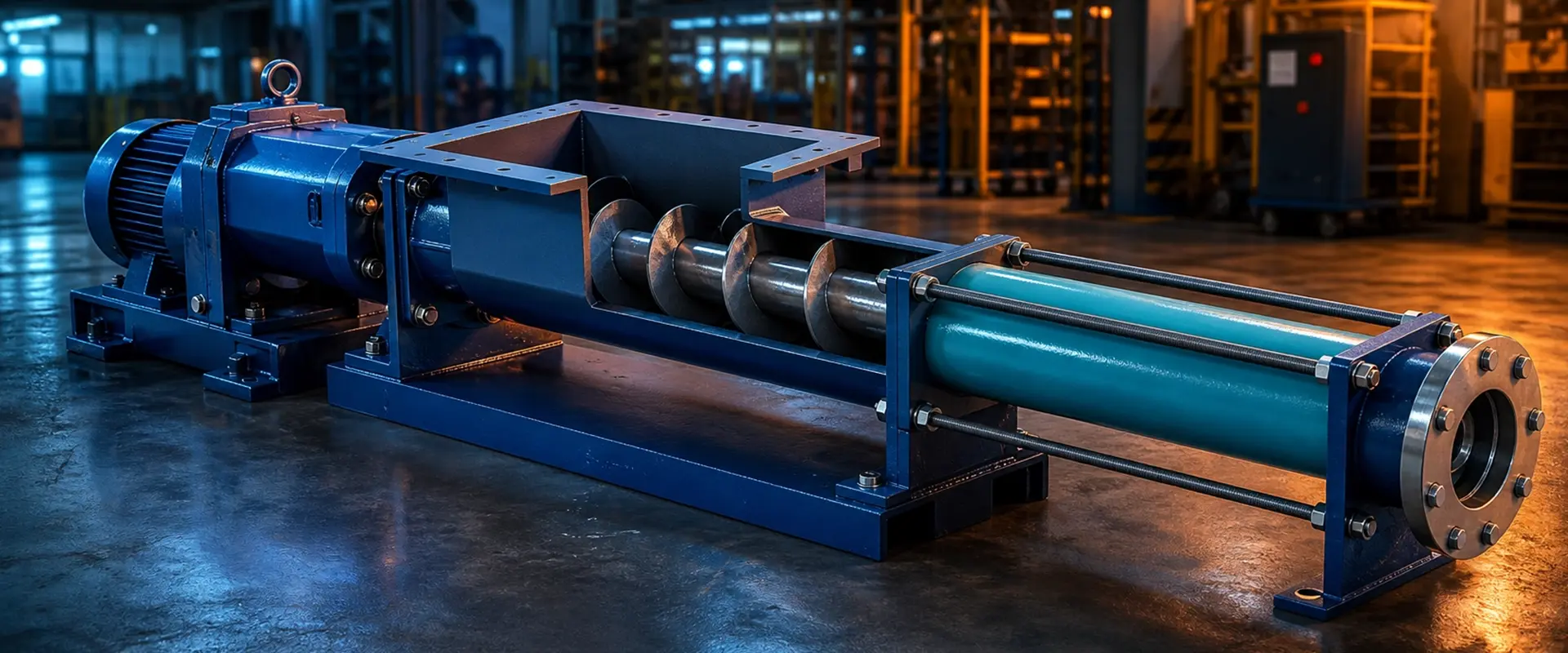
Pulsation-Free and Continuous Transfer
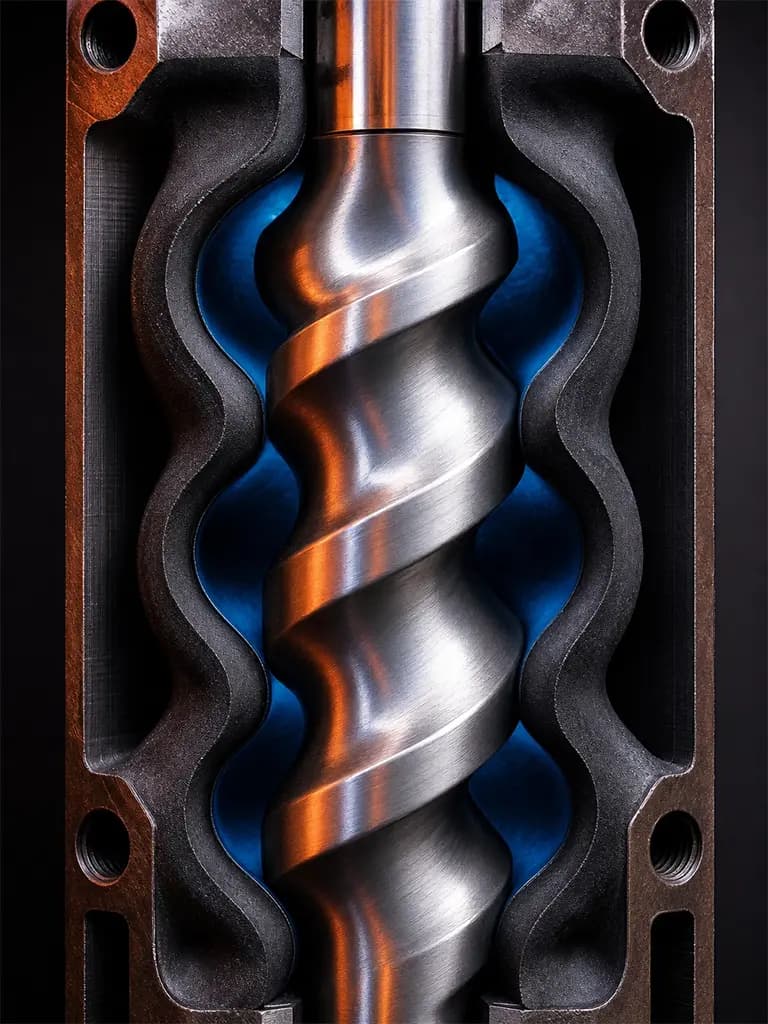
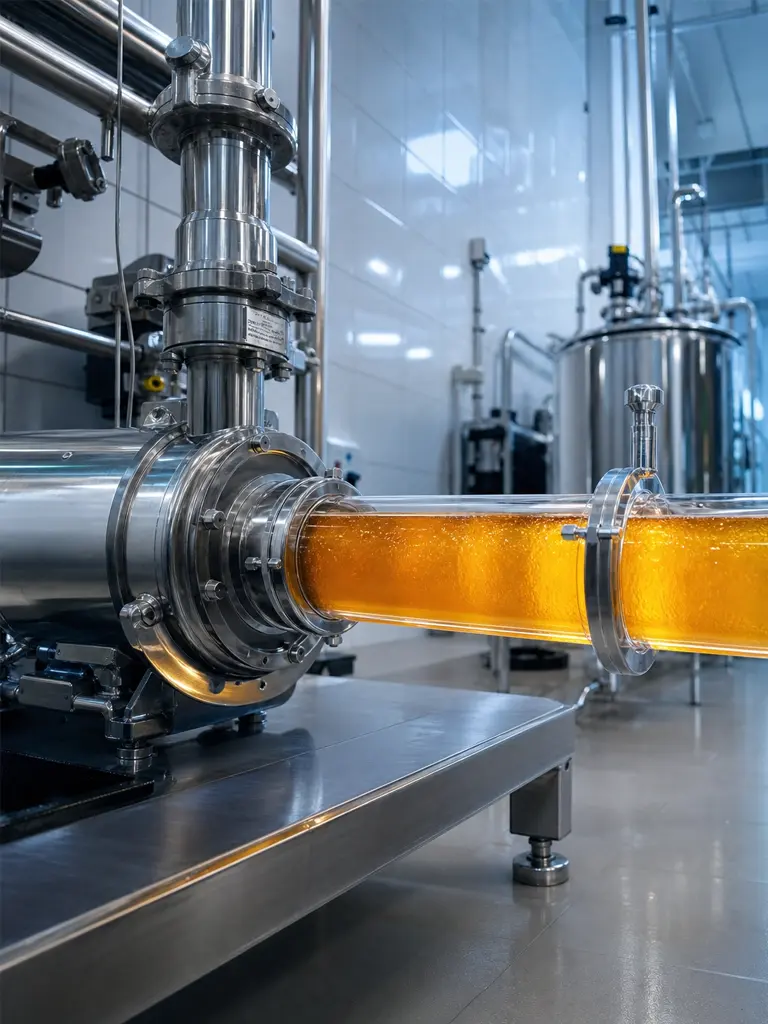
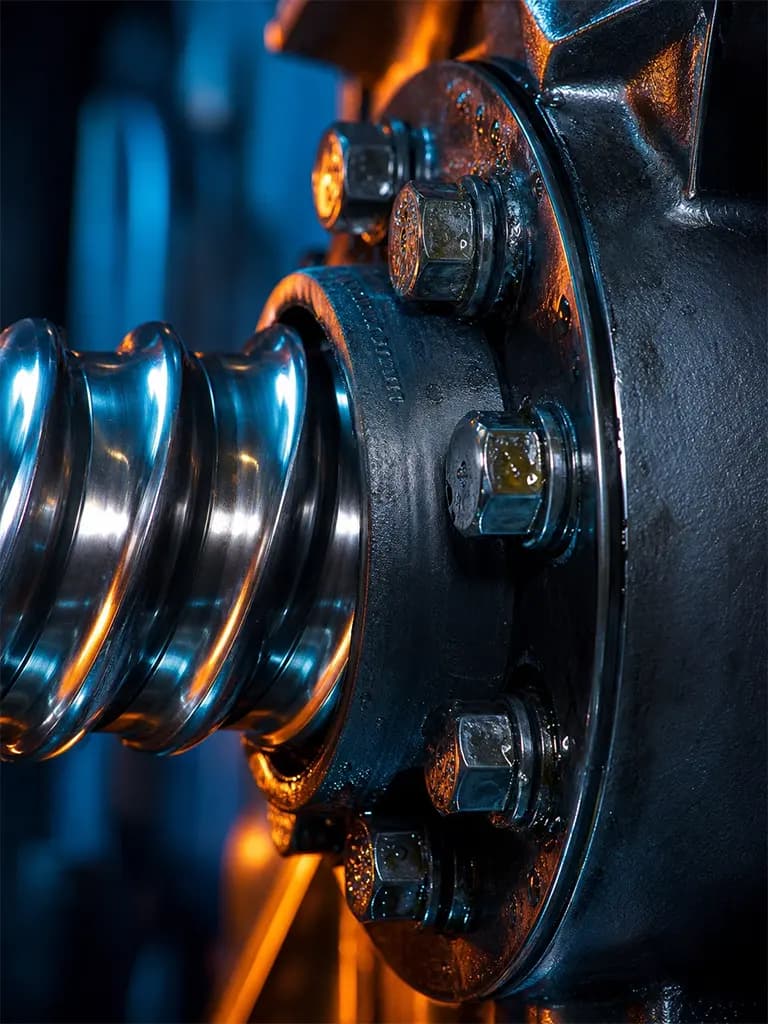
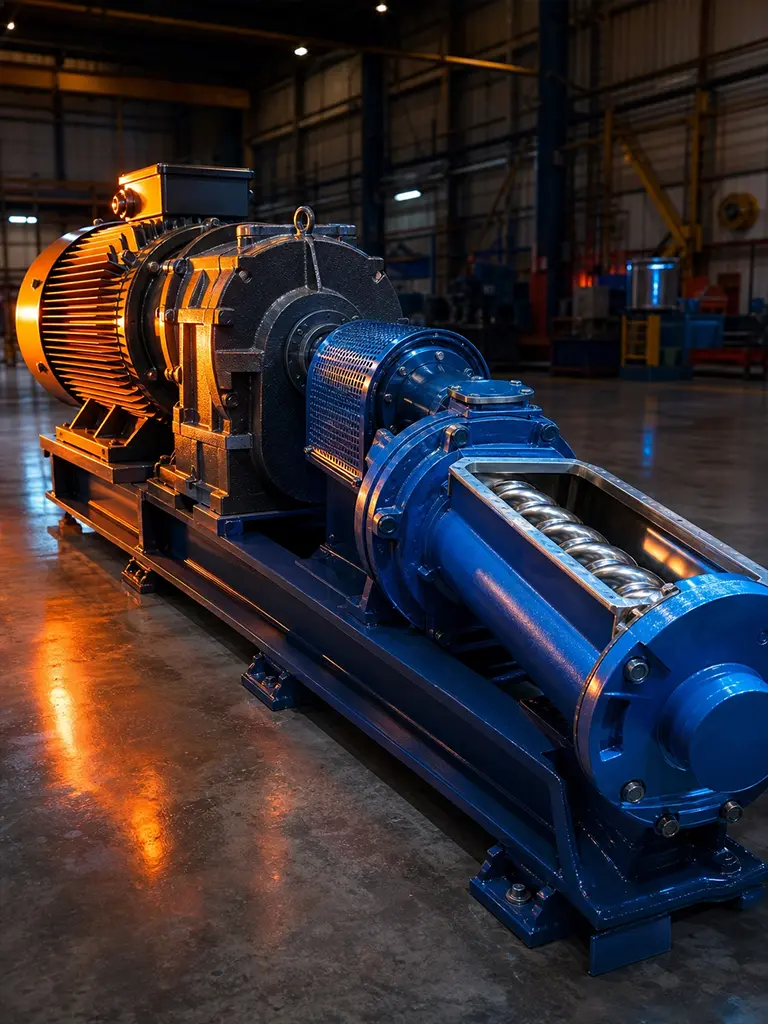
Monopumps (Eccentric Screw Pumps) work on the principle of a helical stainless steel rotor rotating inside an elastomeric (rubber) stator. This unique geometry creates continuously closed cavities in the liquid, pushing the fluid forward under pressure. From water-like fluids to products with viscosity up to 1,000,000 cP such as dough, honey, wastewater sludge, fruit puree, glue and resin, it provides a perfect and constant flow rate without any pulsation.
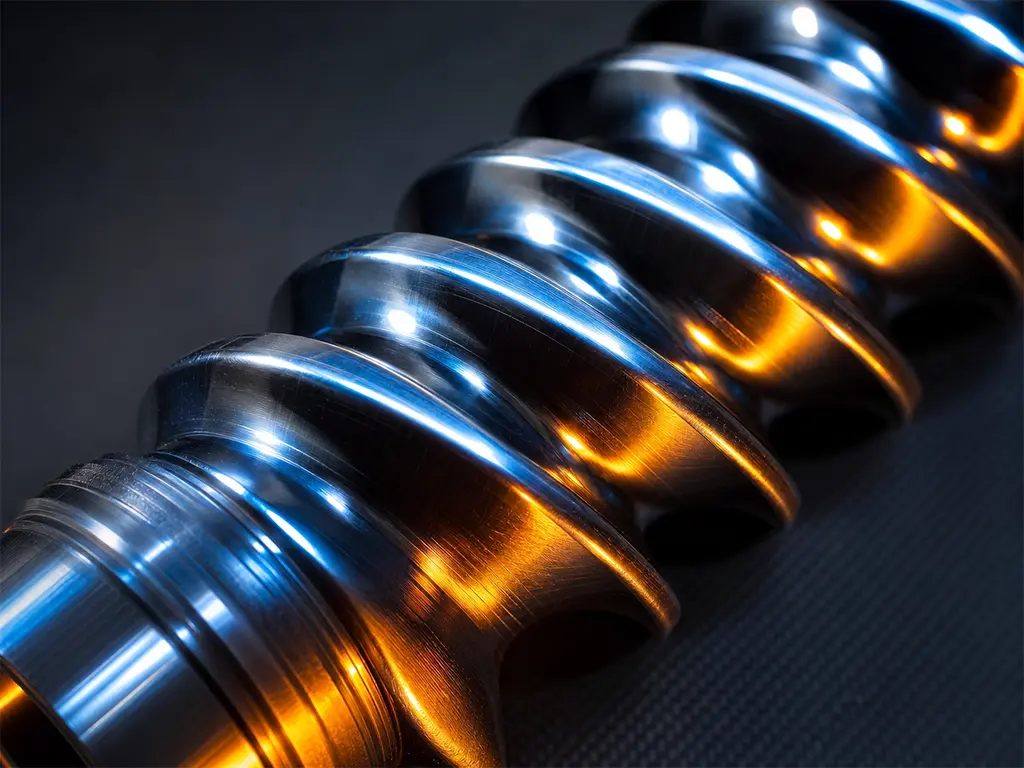
Superior Mechanical Properties
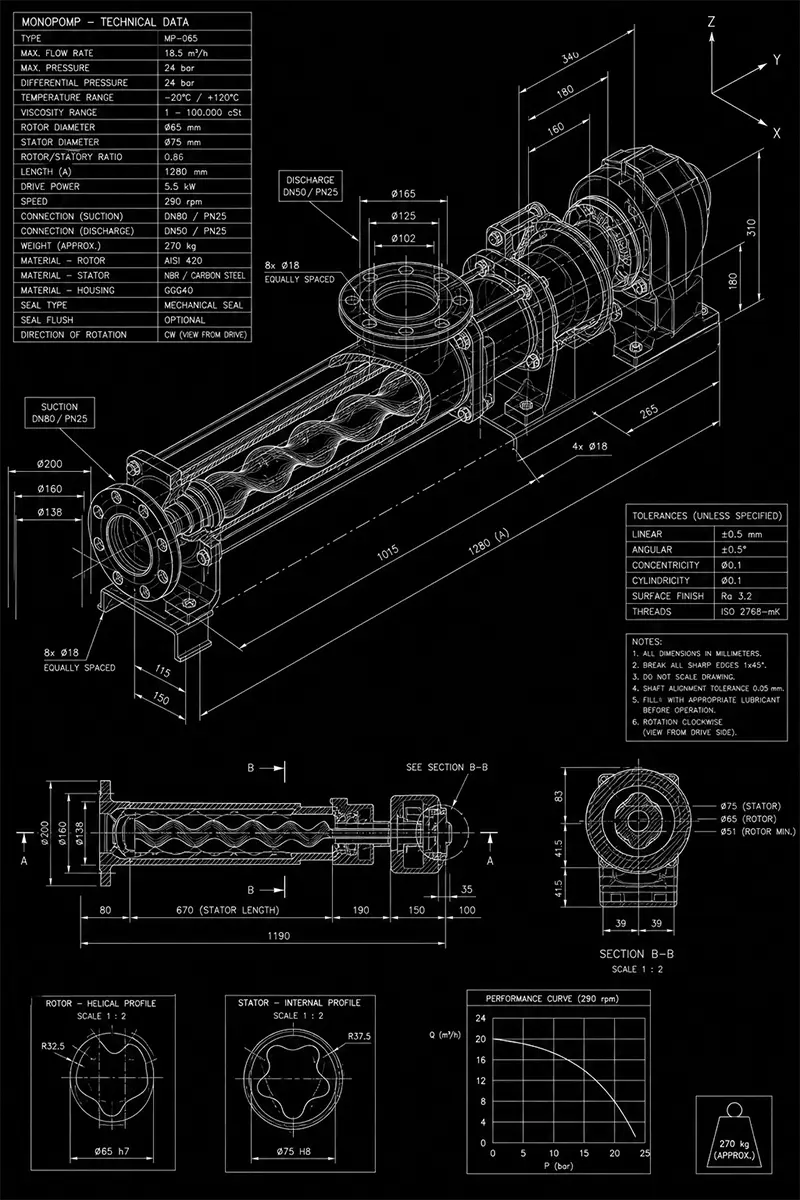
Monopump Capacity Table
* Values are calculated for average viscosity fluids (up to 12 Bar max pressure). Flow varies depending on reducer speed.
| Series No | Max. Flow (m³/h) | Max. Pressure | Connection Size |
|---|---|---|---|
| WT-M 05 | 5 m³/h | 12 Bar | 2" Inch |
| WT-M 10 | 10 m³/h | 12 Bar | 2.5" Inch |
| WT-M 20 | 20 m³/h | 12 Bar | 3" Inch |
| WT-M 40 | 40 m³/h | 12 Bar | 4" Inch |
Eccentric Screw Pump FAQ
Can monopumps run dry?
No. Since the stator is usually made of elastomeric (rubber etc.) material, when no fluid (lubricant) passes through it, the stainless rotor rubs against the stator causing excessive heat and burns the stator. The system must be equipped with dry-run protection sensors.
Can it pump solid particle or seed-containing products?
Absolutely. This is the greatest strength of monopumps. Products containing particles and fibers like wastewater sludge, seeded fruit purees or olive paste are transferred without clogging and without crushing their structure thanks to the rotor/stator cavity geometry.
How do we select the stator material?
According to the chemical composition and temperature of your fluid. For food products like milk and honey: FDA-compliant white NBR or EPDM; for abrasive aggressive acids and chemicals: FKM (Viton) or PTFE (Teflon) stator.
Example Applications
Technical Document
DOK-11 PDF Specification
Monopump reducer speed ratios, stator chemical resistance table and pressure/flow measurement curves.
Download Curves (PDF)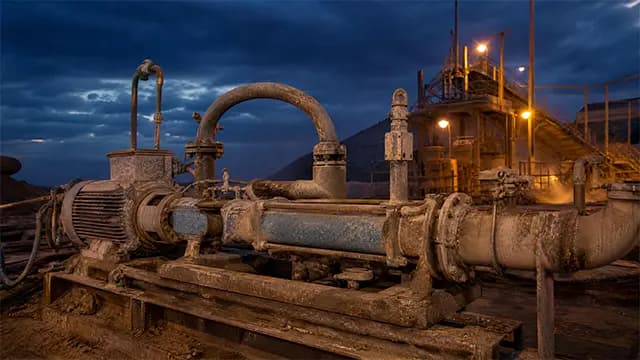
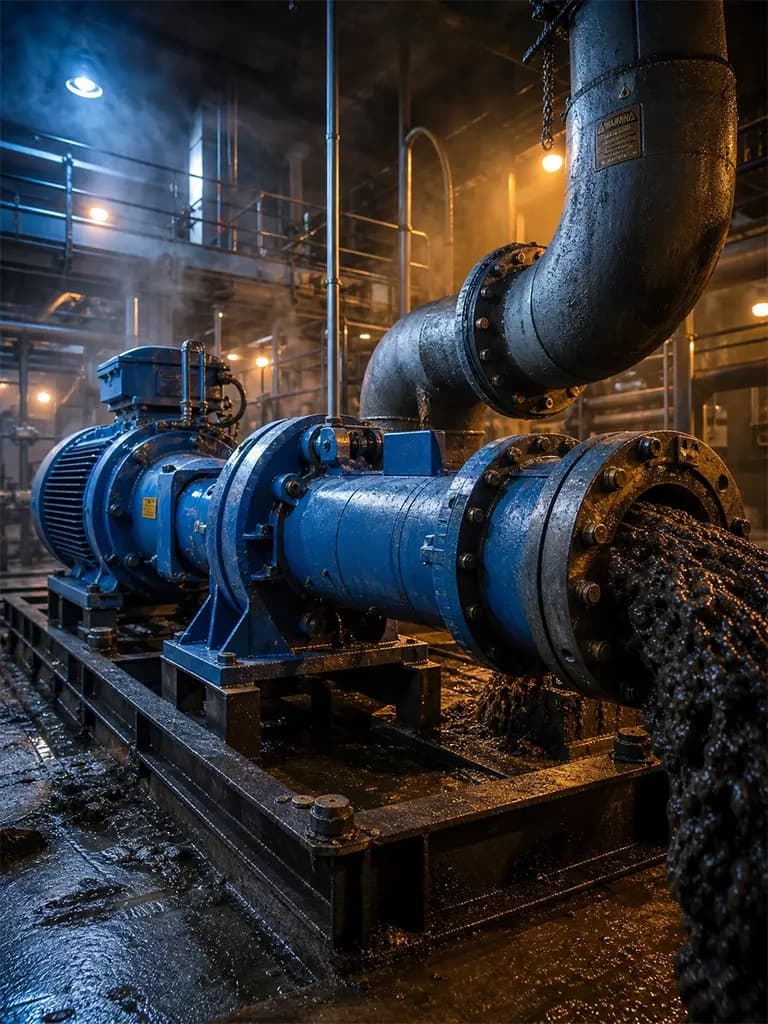
Heavy-duty monopump battery with FKM stator, resistant to 12 Bar pressure for transferring 20% density active sludge in wastewater treatment facility.
View All ReferencesMonopump Selection
Specify your fluid viscosity (cP) and particle density, and we will determine the most suitable rotor-stator pair.
Engineering Support →