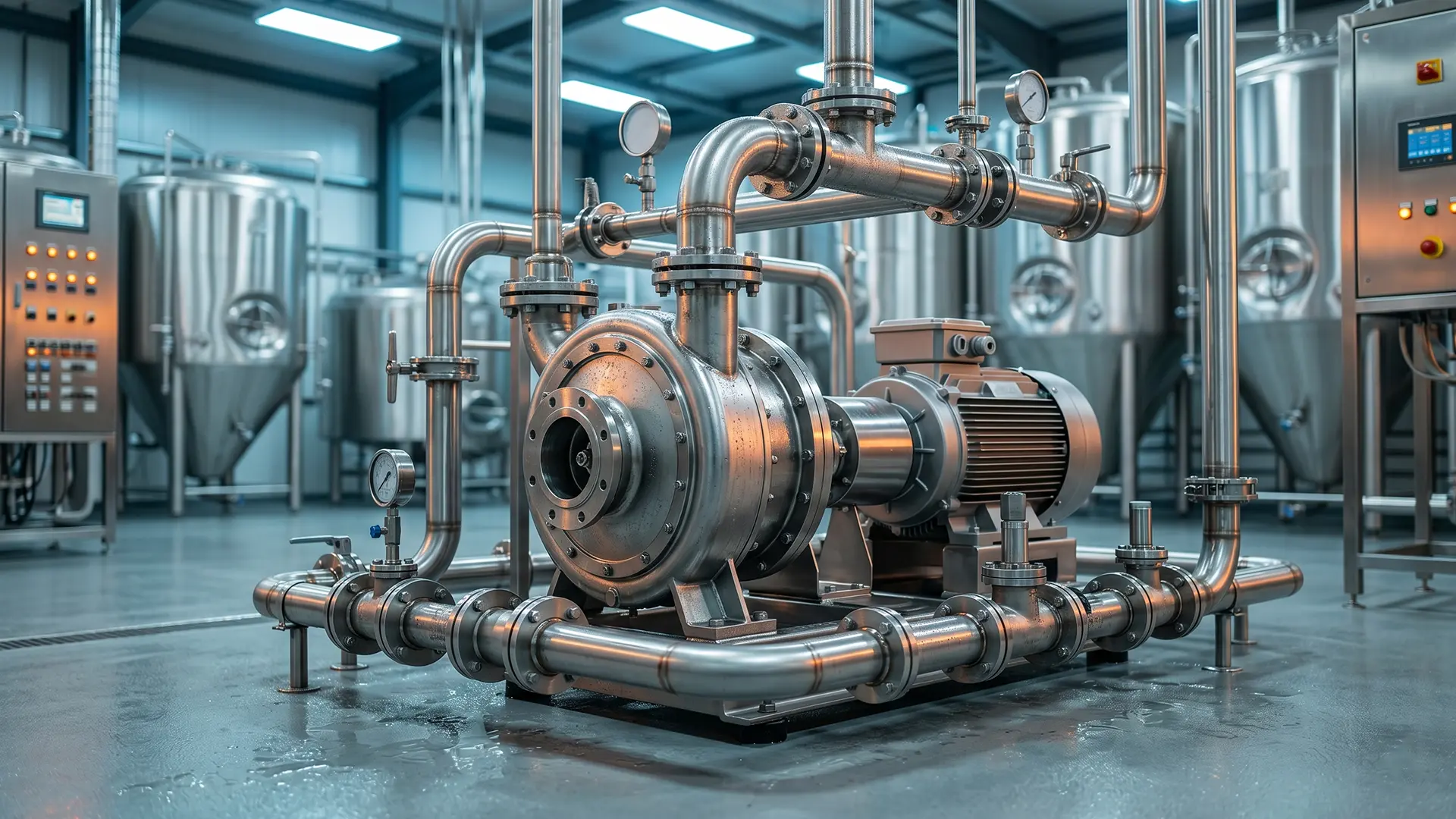
Power in Air-Liquid Mixtures
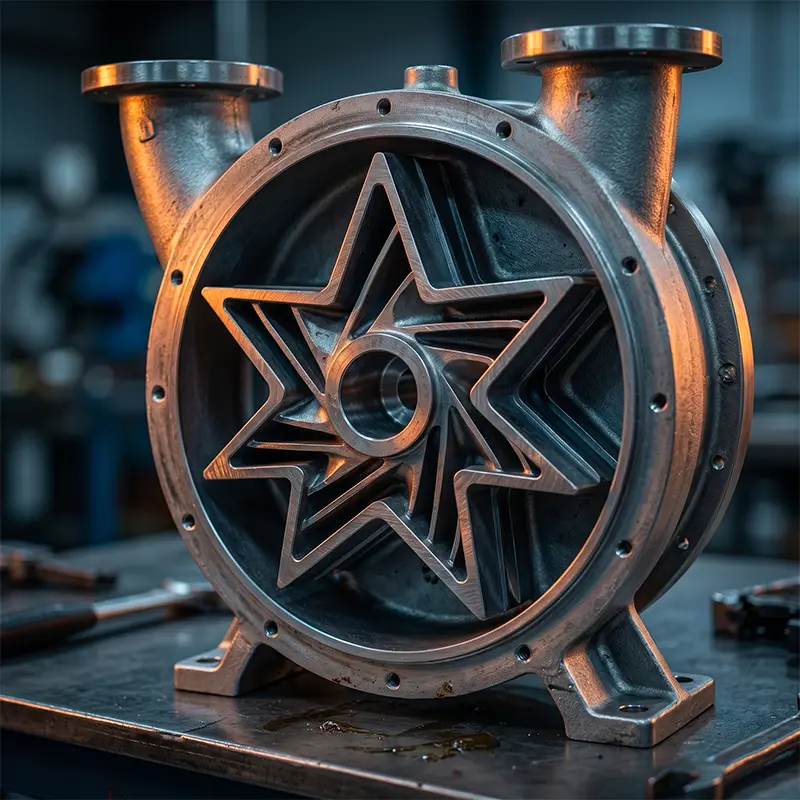
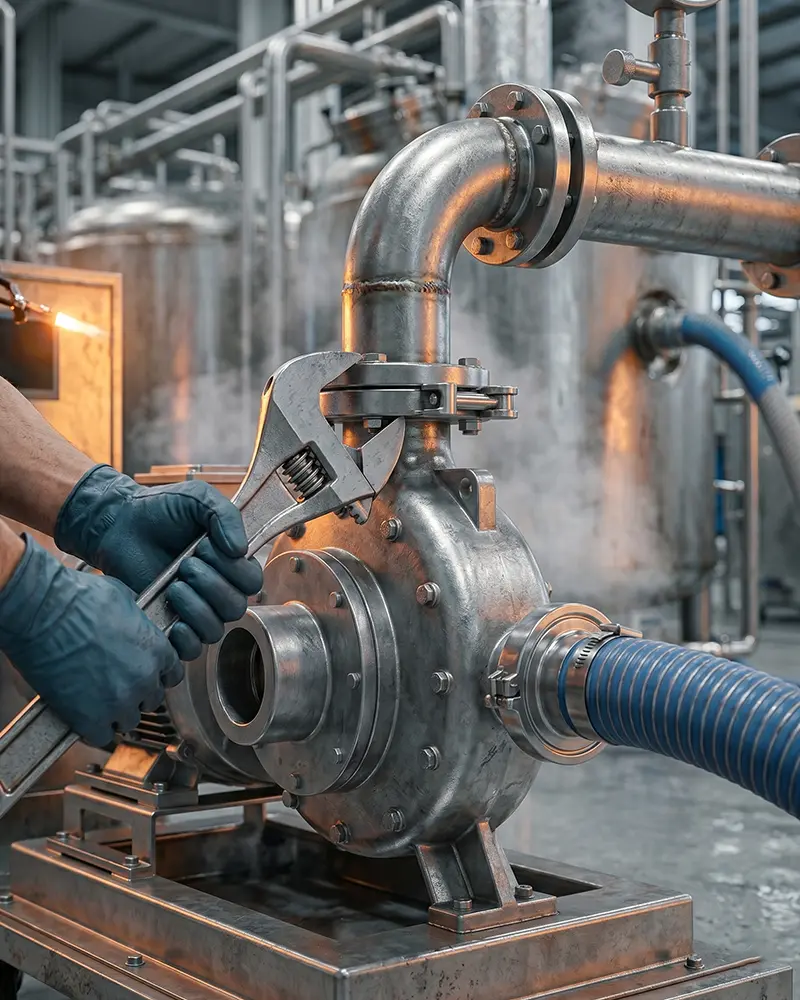
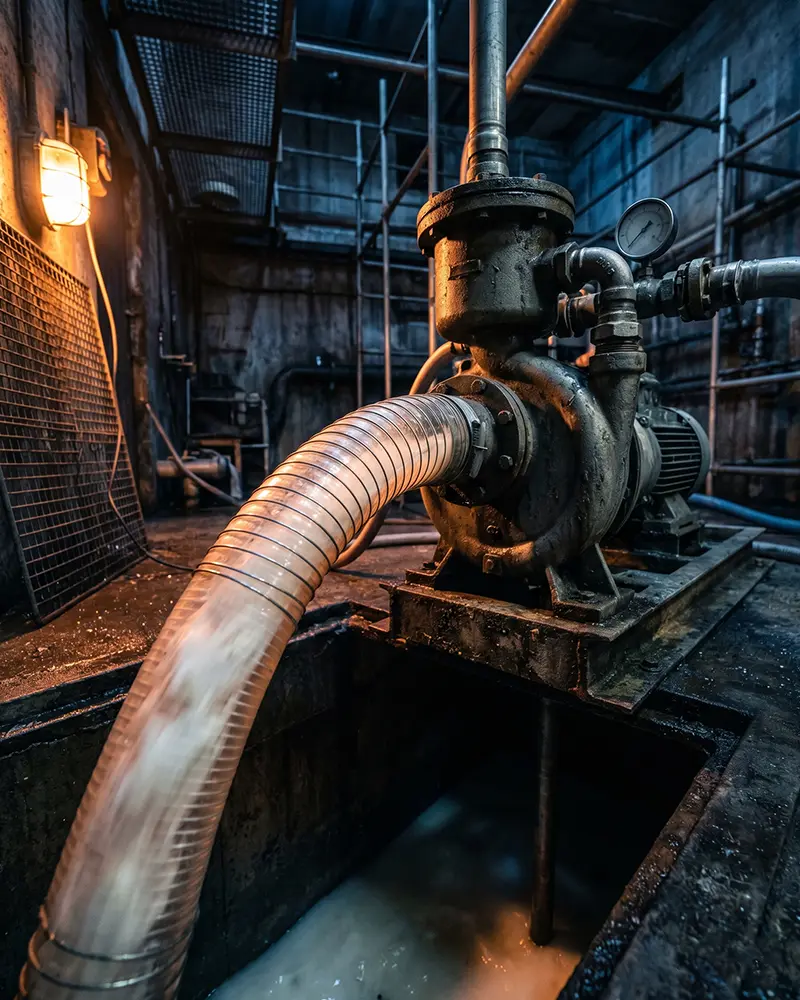
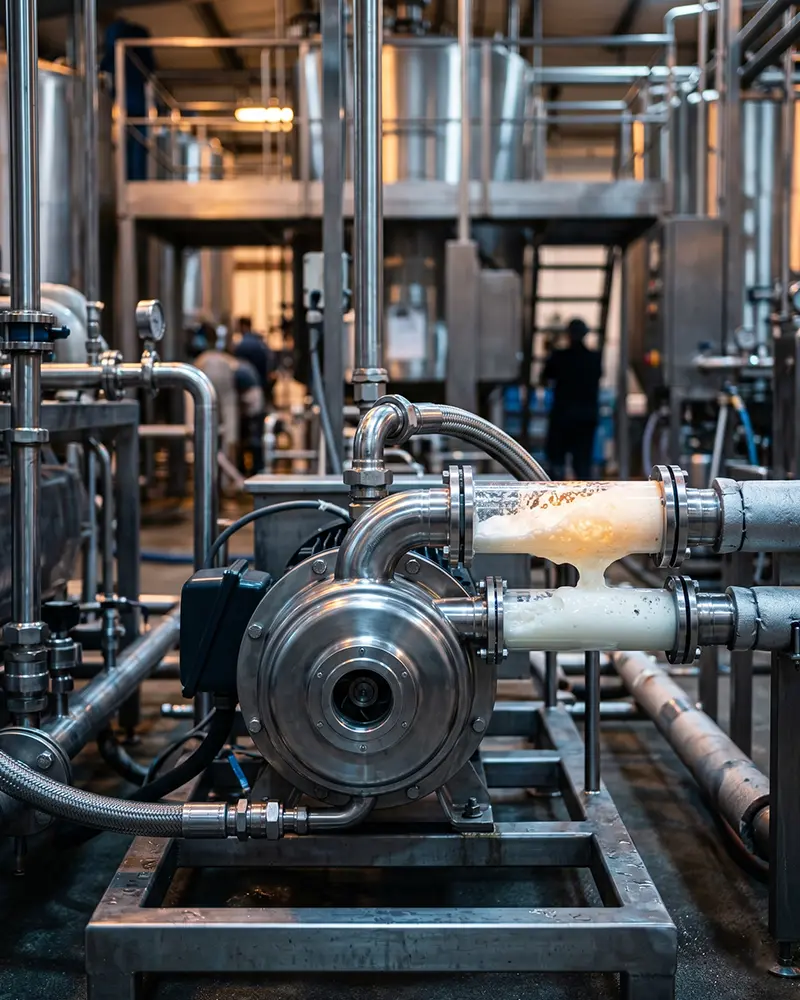
Standard centrifugal pumps suffer cavitation when air pockets form in the pipeline or at the tank bottom, stopping the transfer. Our self-priming (side-channel/liquid-ring) pumps create a vacuum by mixing the liquid inside with air through a special star impeller design. This technology, which can draw suction even when there is air in the line, is especially used when drawing product from tanks to trucks, with foamy products like whey, and in CIP washing liquid return (CIP Return).
Technical Equipment & Capacity
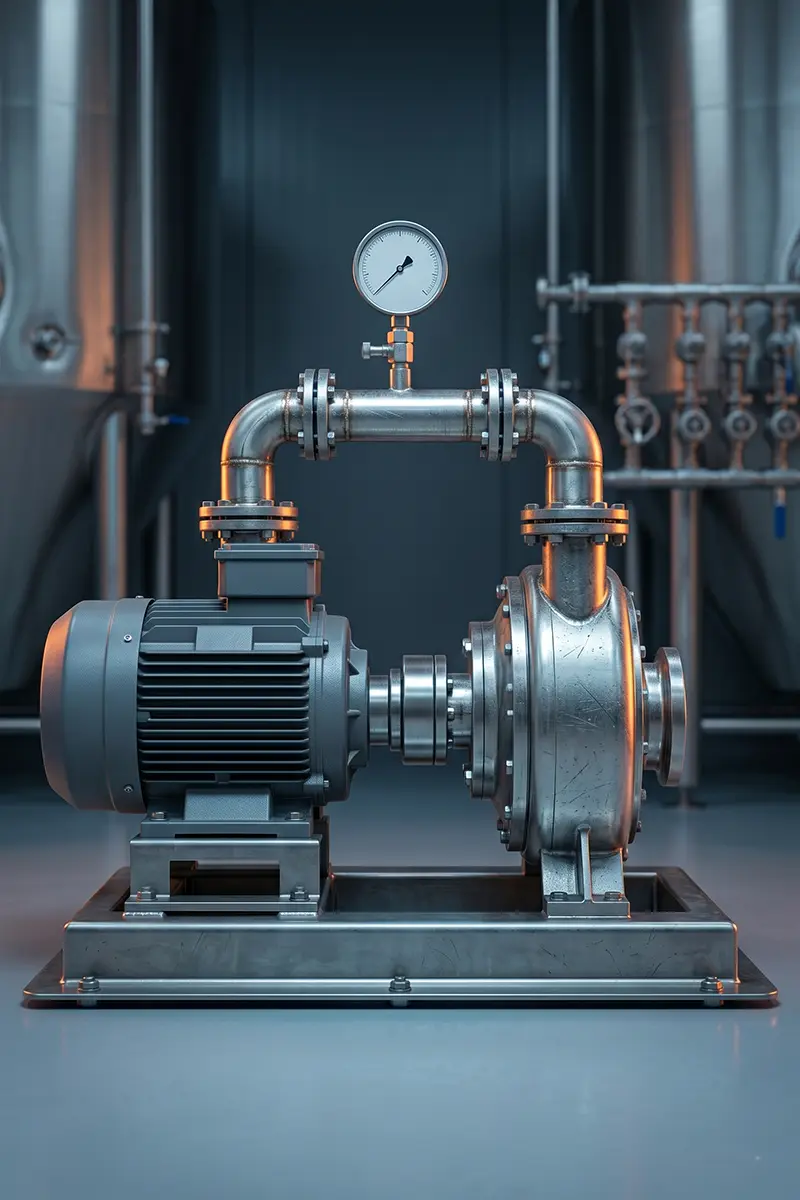
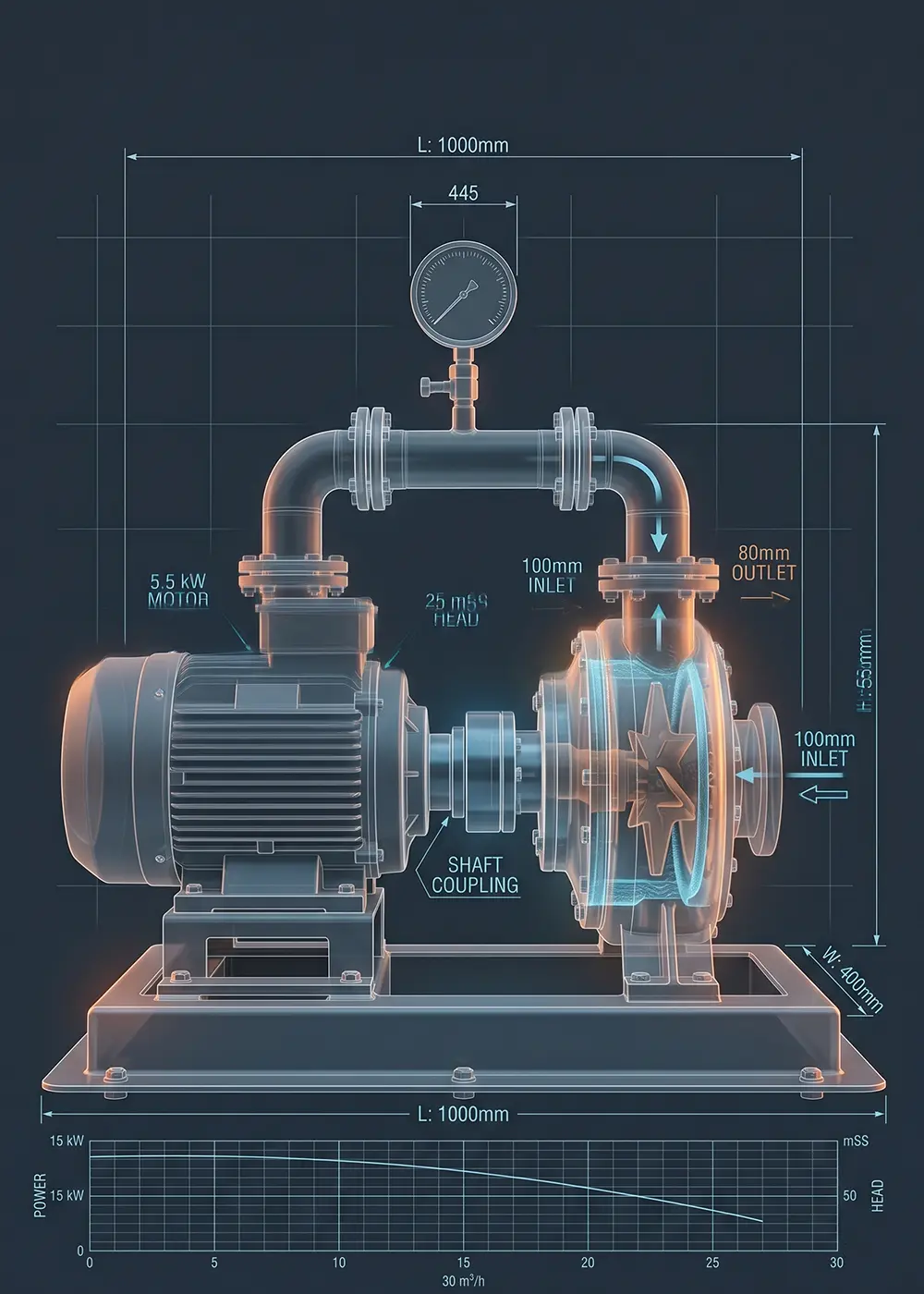
Performance & Selection Table
* The pump body must contain some liquid (priming liquid) for the pump to self-prime. Values are determined by our hydraulic engineers for 1 cP viscosity.
| Series No | Max. Flow (m³/h) | Suction / Discharge (mWC) | Motor Power (kW) |
|---|---|---|---|
| WT-SP 15 | 15 m³/h | -7 m / 25 mWC | 2.2 - 3.0 kW |
| WT-SP 30 | 30 m³/h | -7 m / 32 mWC | 4.0 - 5.5 kW |
| WT-SP 50 | 50 m³/h | -8 m / 35 mWC | 7.5 - 11.0 kW |
| WT-SP 70 | 70 m³/h | -8 m / 40 mWC | 15.0 - 18.5 kW |
Vacuum Transfer FAQ
Why can't a centrifugal pump be used as a CIP Return pump?
During CIP, the chemical liquid returning from the tank contains a large amount of air and foam. The centrifugal pump stops flow when it sees air and the washing line gets blocked. The self-priming pump can swallow the liquid-air mixture and pump it into the system.
Why do we need to put liquid inside during initial start (Priming)?
For the liquid ring to form in the pump body and to vacuum out the air inside, part of the body must be filled with liquid from the start.
Can I draw milk from a truck or underground tank?
Absolutely. Even if the suction pipe is 7-8 meters underground, the pump creates vacuum and draws the liquid up and pumps it to the main tanks.
Example Applications

Technical Document
DOK-11 PDF Specification
Vacuum/suction depth charts, liquid-ring impeller tolerances and mechanical connection dimensions.
Download Curves (PDF)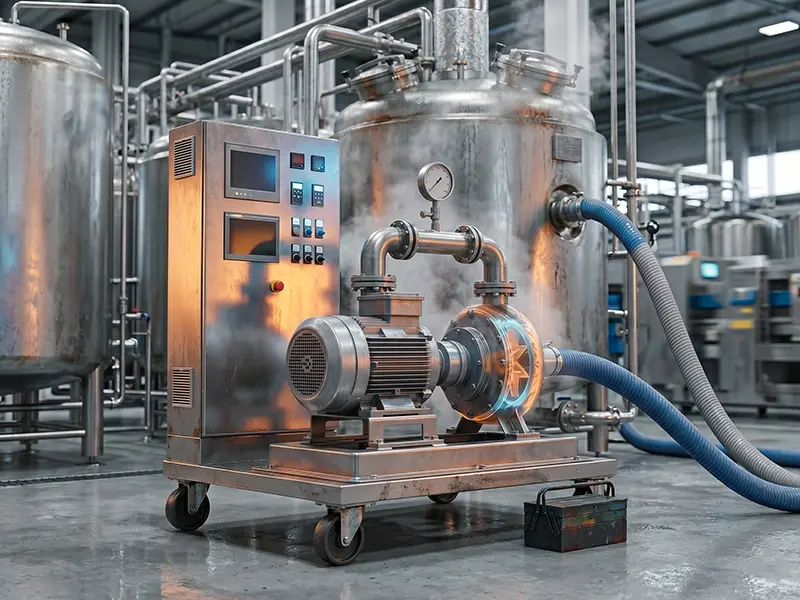
30 m³/h capacity CIP return pumps integrated into foamy acid and caustic return lines for a large-scale juice facility.
View All ReferencesVacuum Calculation
Tell us your suction depth (negative elevation) and air ratio in the pipeline, and we will design a system that transports your product without cavitation.
Request a Quote →