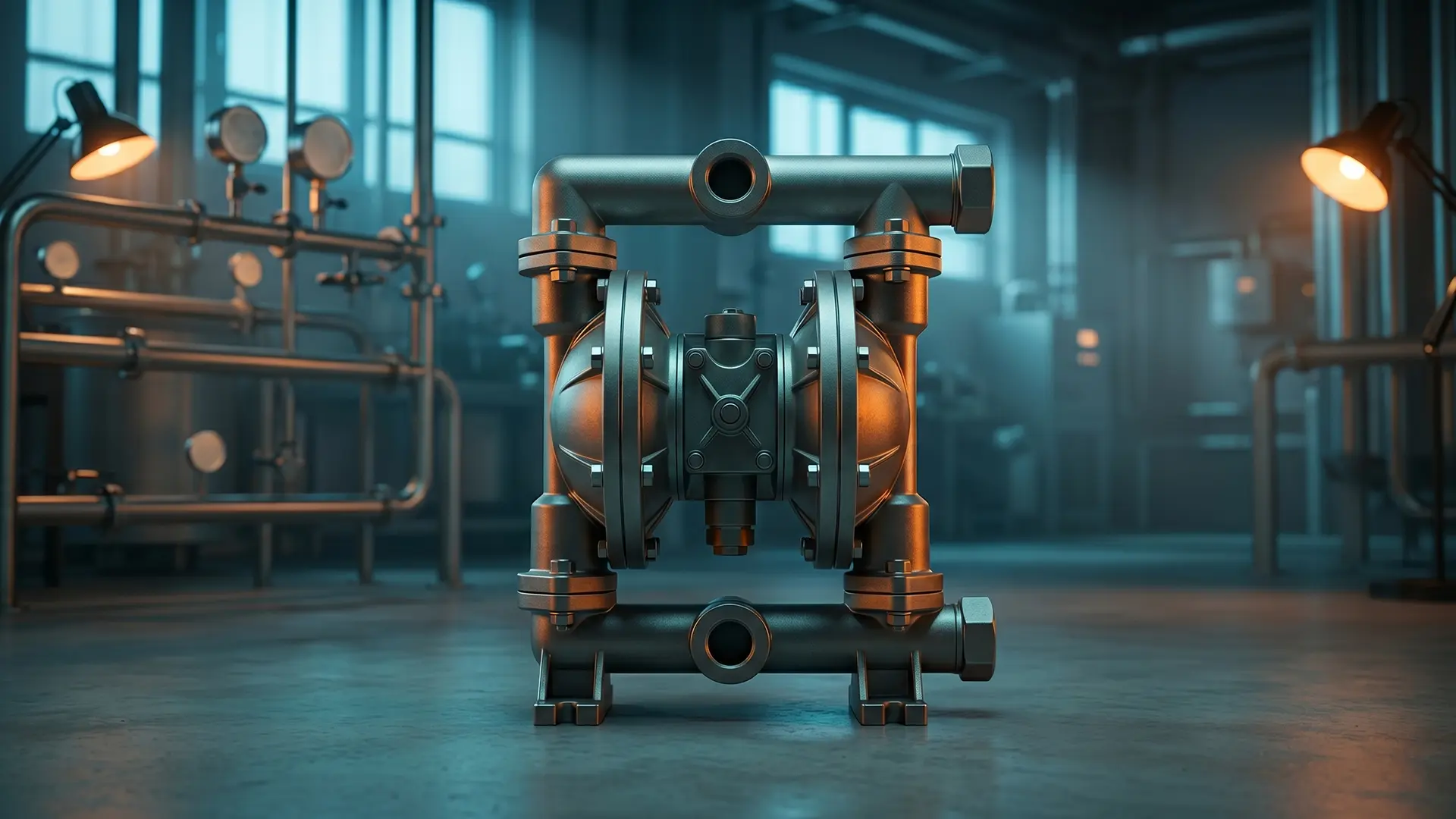
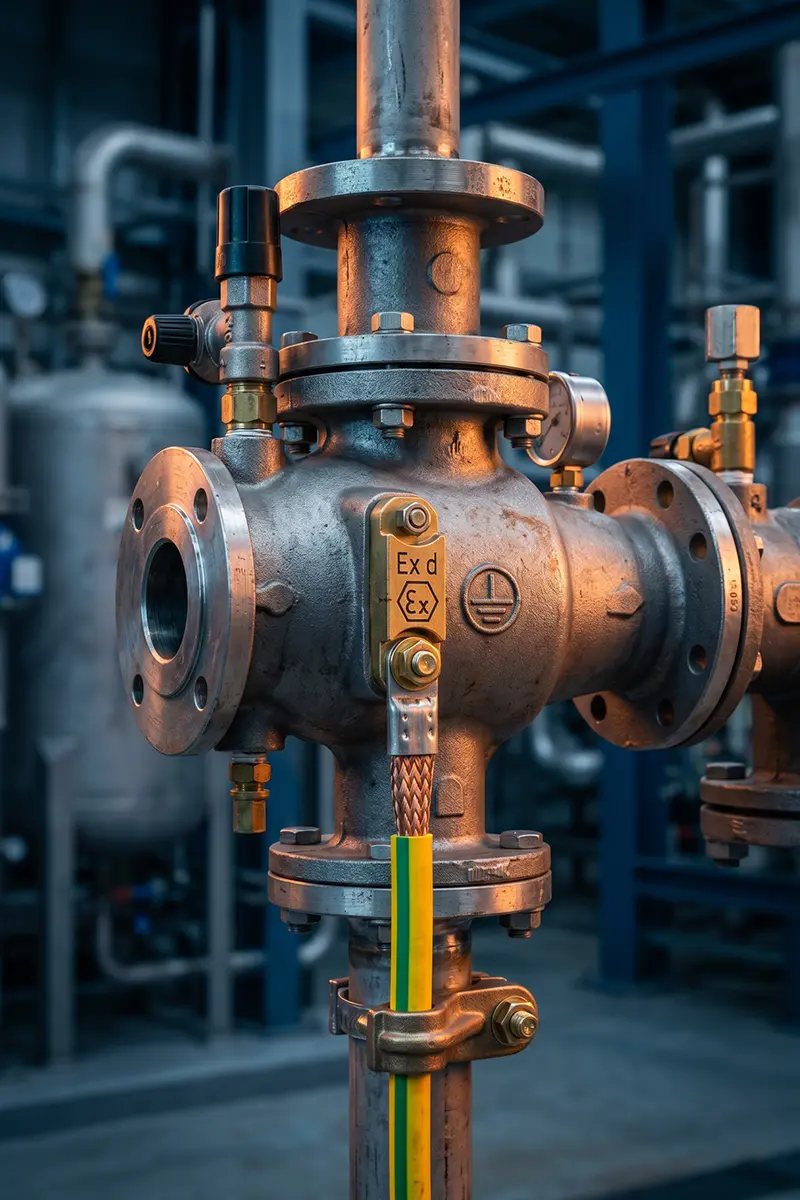
Maximum Safety (ATEX)
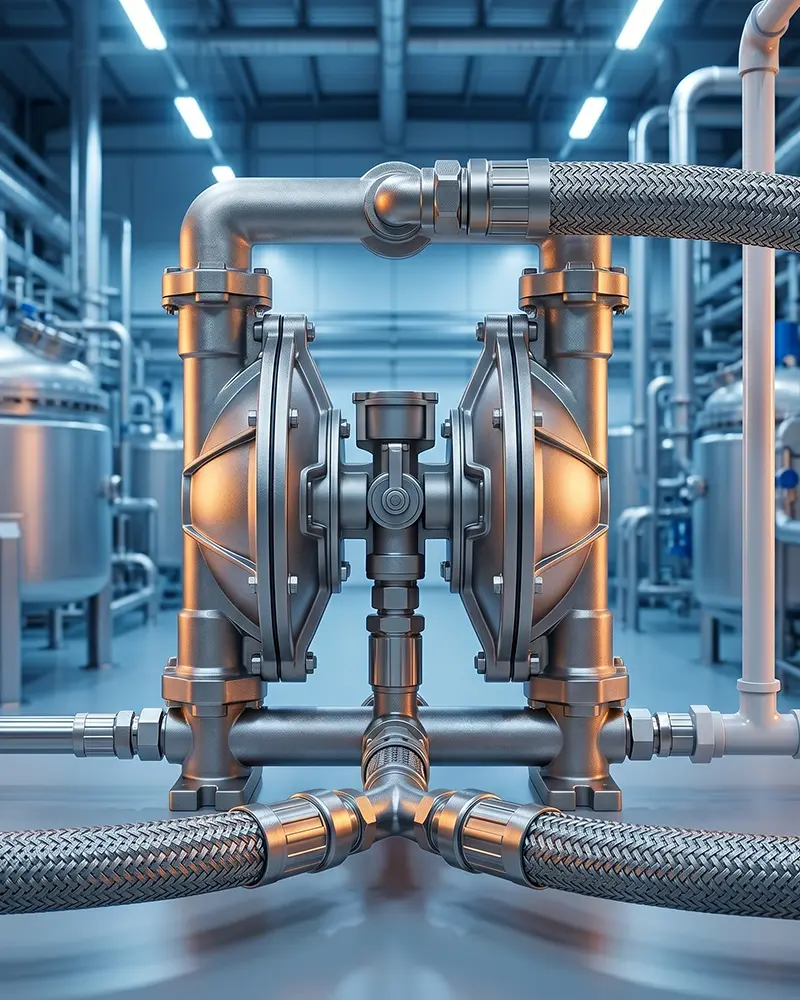
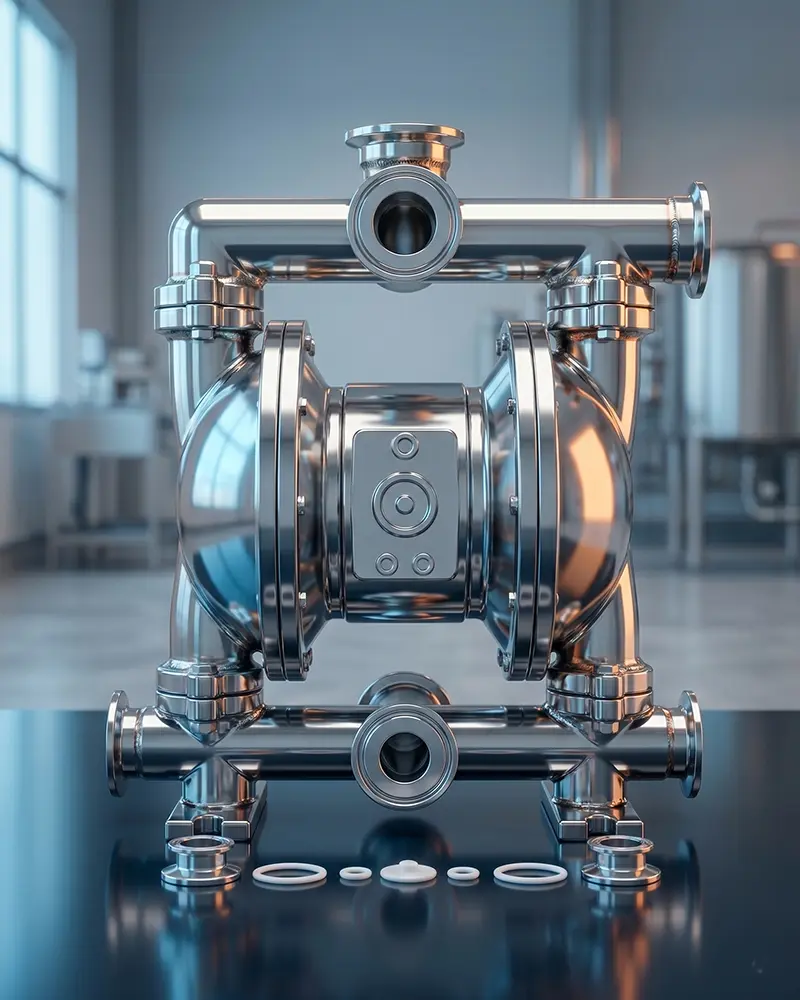
The air-operated (pneumatic) working principle, which does not contain an electric motor, makes these pumps the single and safest option in transferring flammable solvents and explosive chemicals. It can tolerate transferring liquids with solid particles or dry running conditions without breaking down. Provides uninterrupted and safe production with its non-stalling air valve system.
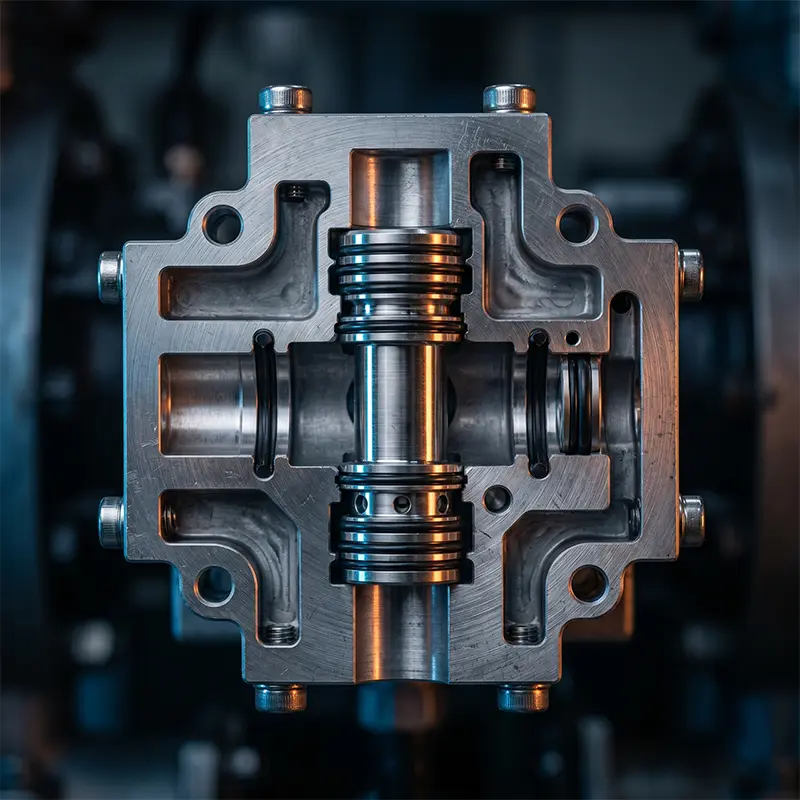
Design and Hardware Advantages
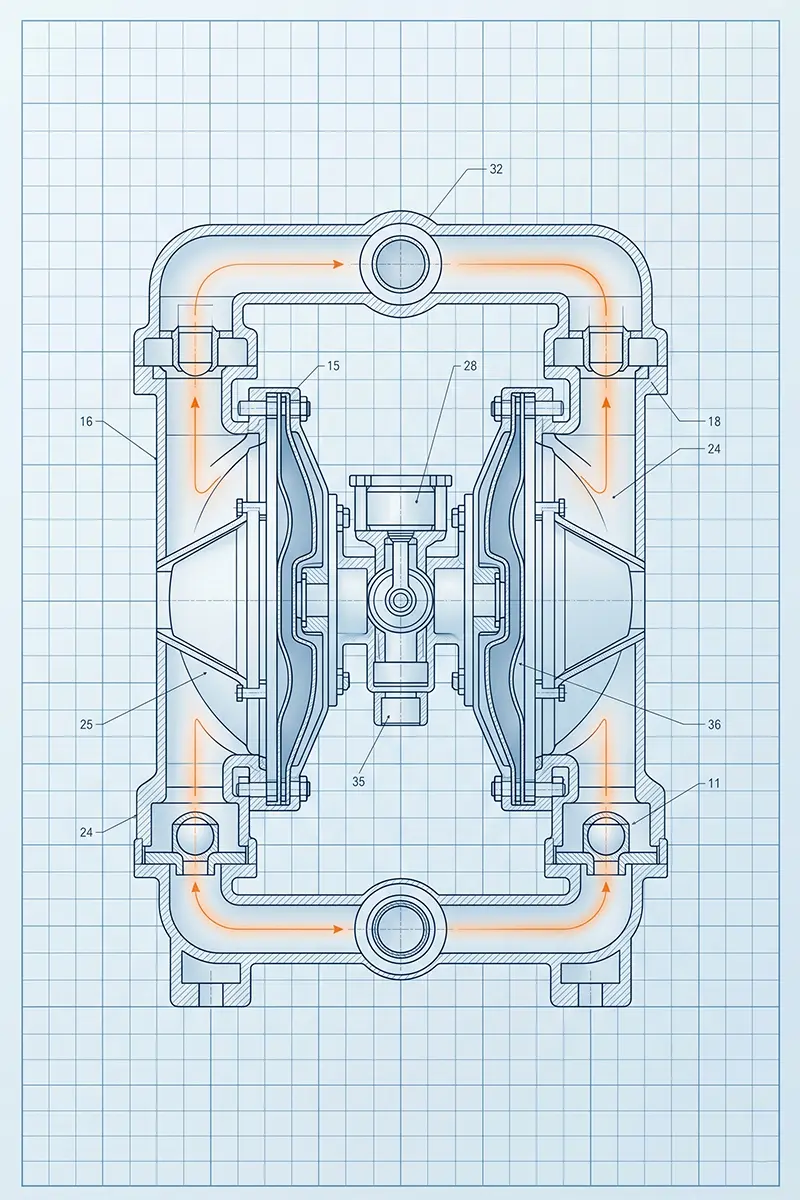
Performance Curve and Capacity Table
* Given fluid values are calculated based on water (1 cPs). Pump sizes may change for highly viscous and particulate fluids.
| CONNECTION SIZE | MAX. FLOW (L/min) | MAX. OPERATING PRESSURE | PARTICLE PASSAGE (mm) |
|---|---|---|---|
| 1/2" | 55 L/min | 8 Bar | 2.5 mm |
| 1" | 160 L/min | 8 Bar | 3.5 mm |
| 1 1/2" | 350 L/min | 8 Bar | 6.0 mm |
| 2" | 550 L/min | 8 Bar | 6.5 mm |
| 3" | 900 L/min | 8 Bar | 9.5 mm |
Frequently Asked Questions
How is the diaphragm material selected?
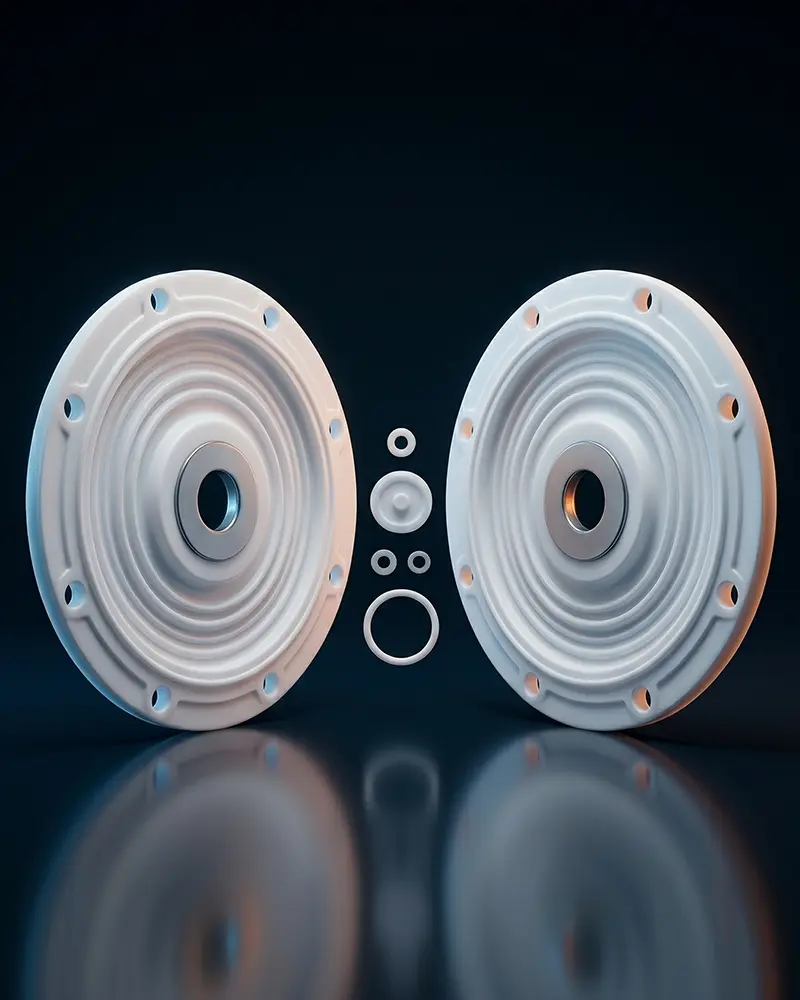
Teflon (PTFE), Santoprene, NBR, or Hytrel diaphragms are selected according to the pH (acidity) level and temperature of the fluid to be transferred by the pump.
What is the advantage of the pump being air-operated?
Since it does not need an electrical grid, the risk of explosion is zero. Furthermore, when the valve is closed, the pump stops on its own and does not require costly additional protection equipment like a pressure bypass valve.
Diaphragm Pump Applications
Technical Specification
PDF DOCUMENT
You can download diaphragm material compatibility charts, air consumption (SCFM) graphs, and ATEX certificates.
DOWNLOAD SPECIFICATION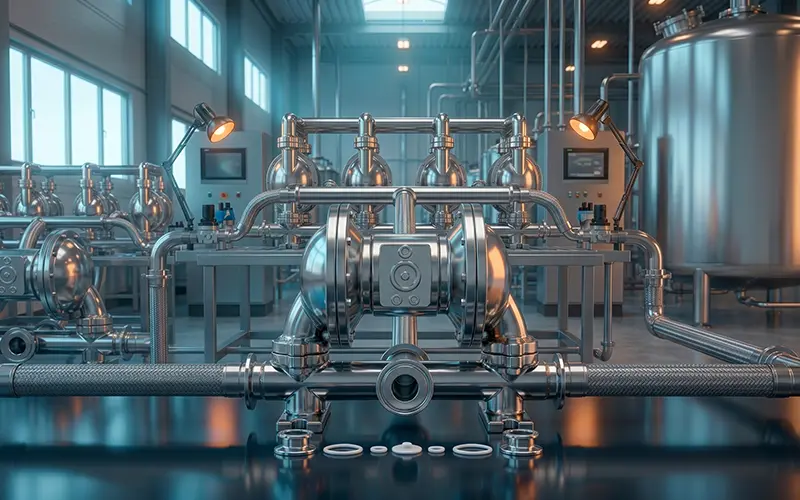
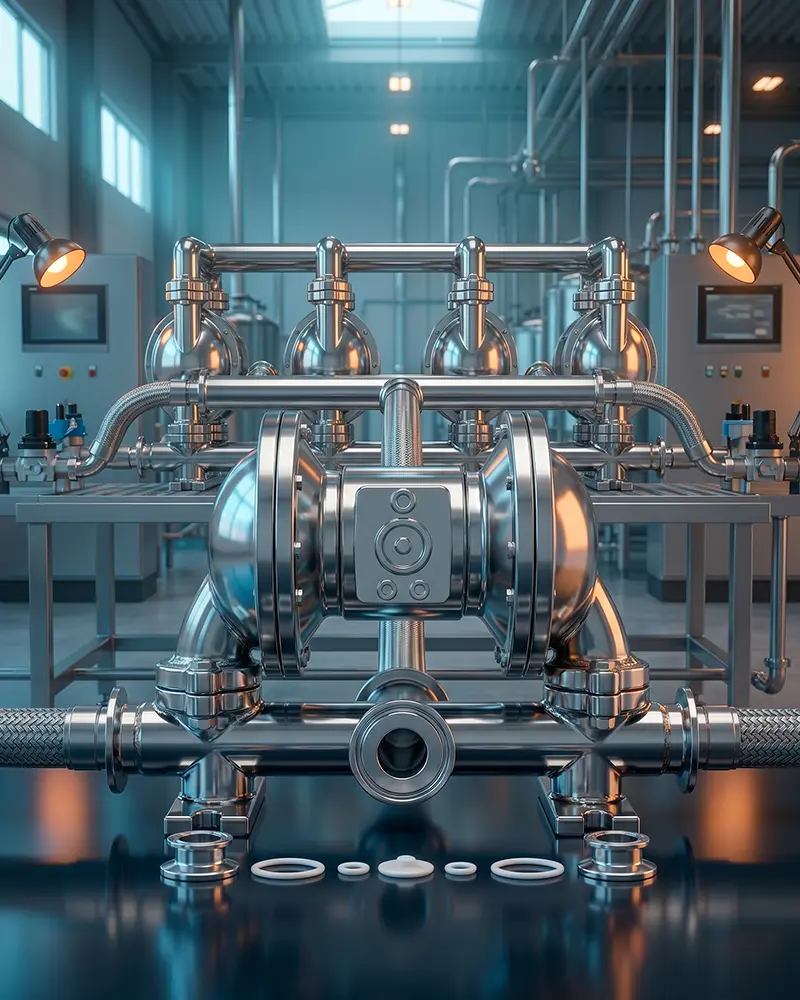
A 40-unit diaphragm pump line we installed for an international paint manufacturing plant.
GO TO PROJECTWhich Diaphragm is Suitable?
PTFE, NBR, or Santoprene? Let us choose the most durable diaphragm material based on your fluid's (MSDS) report.
CONSULT AN ENGINEER