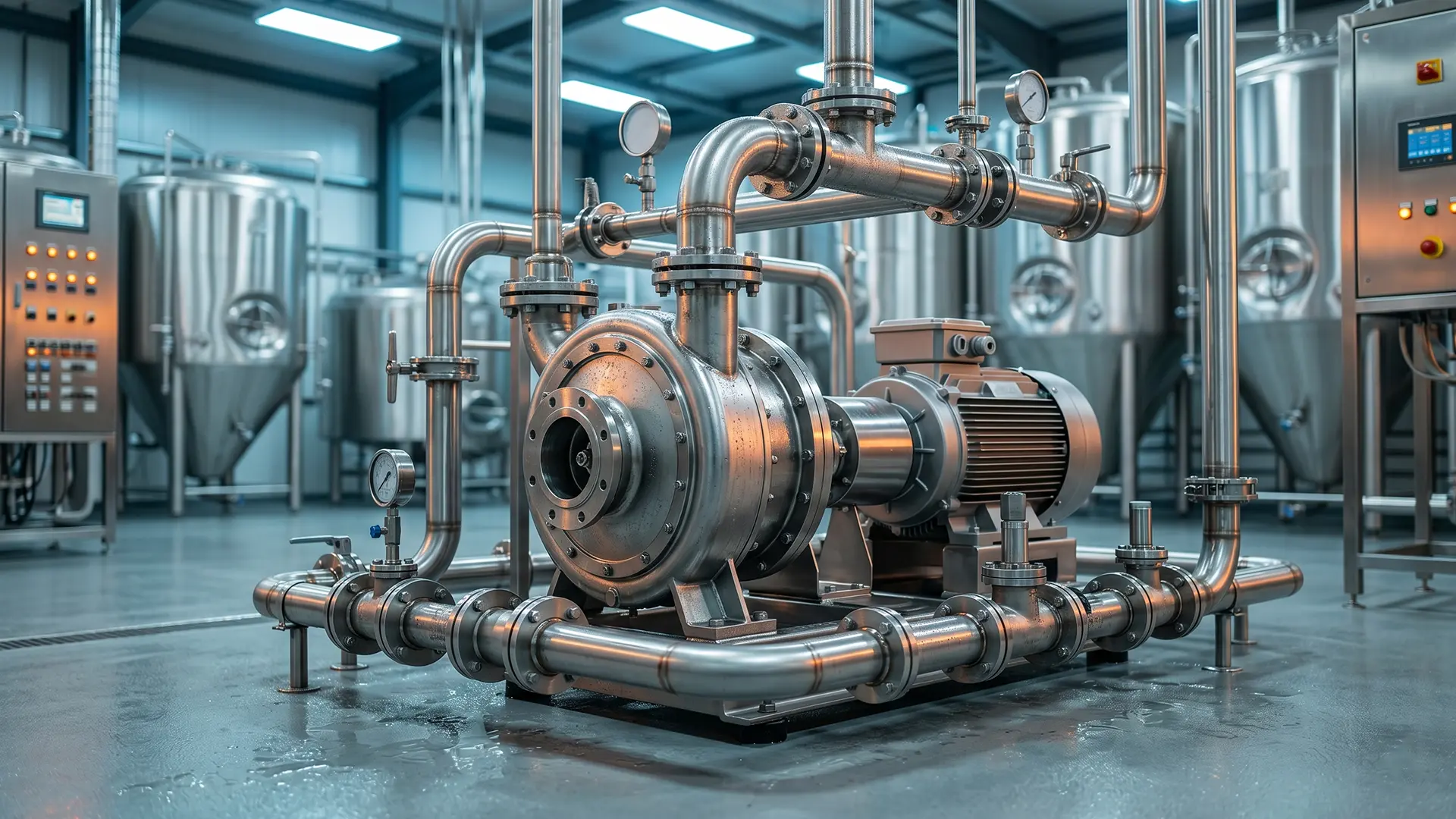
Vacuum and Self-Priming Technology
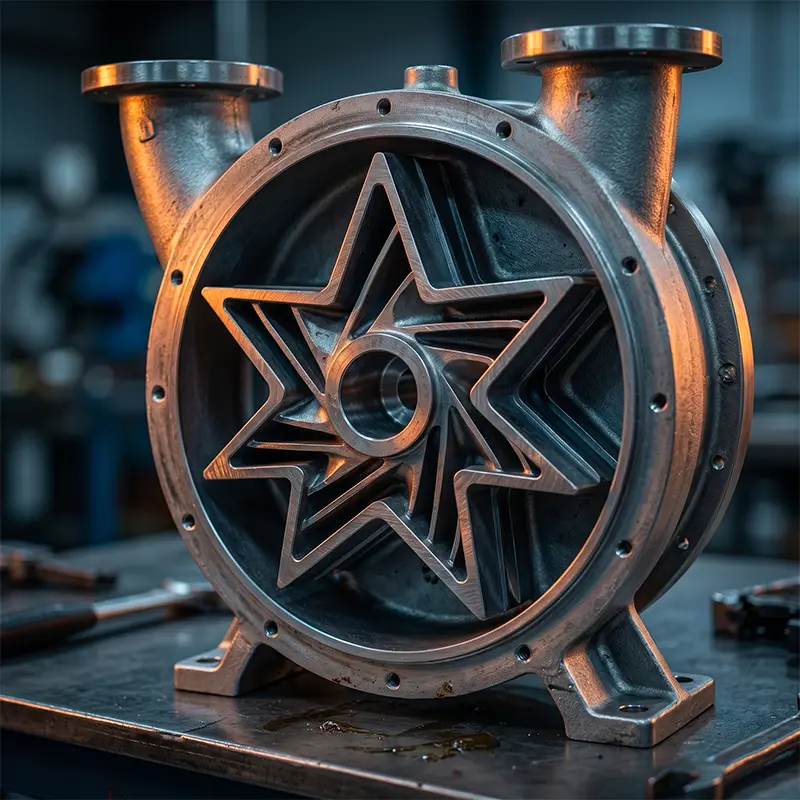
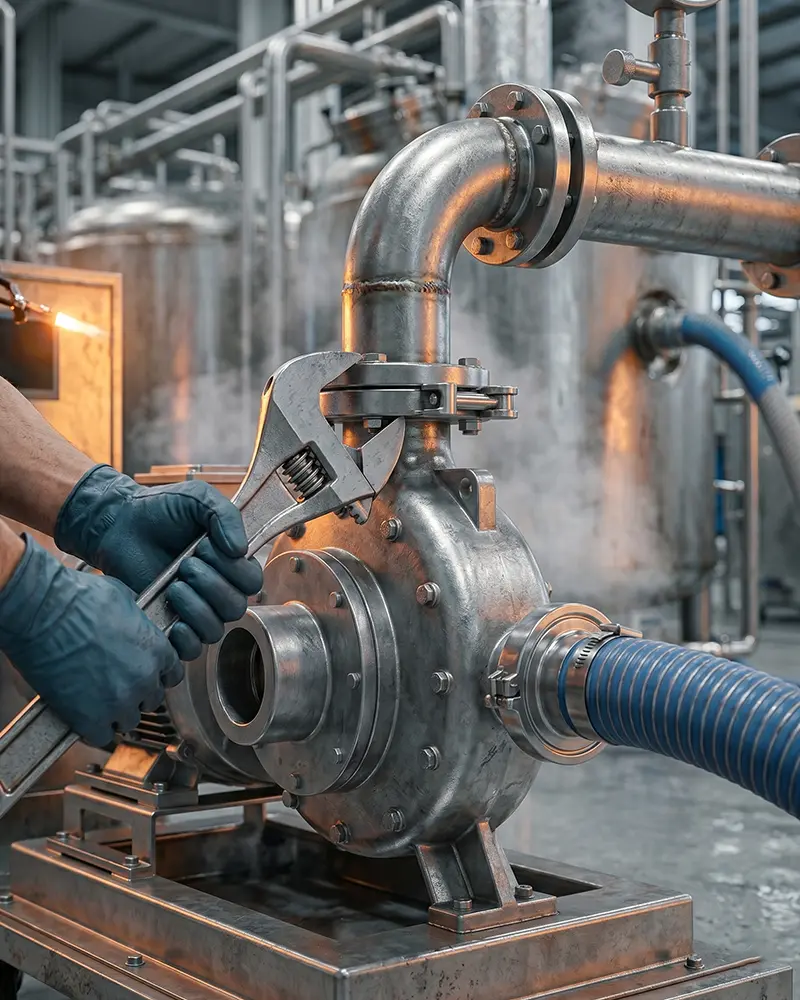
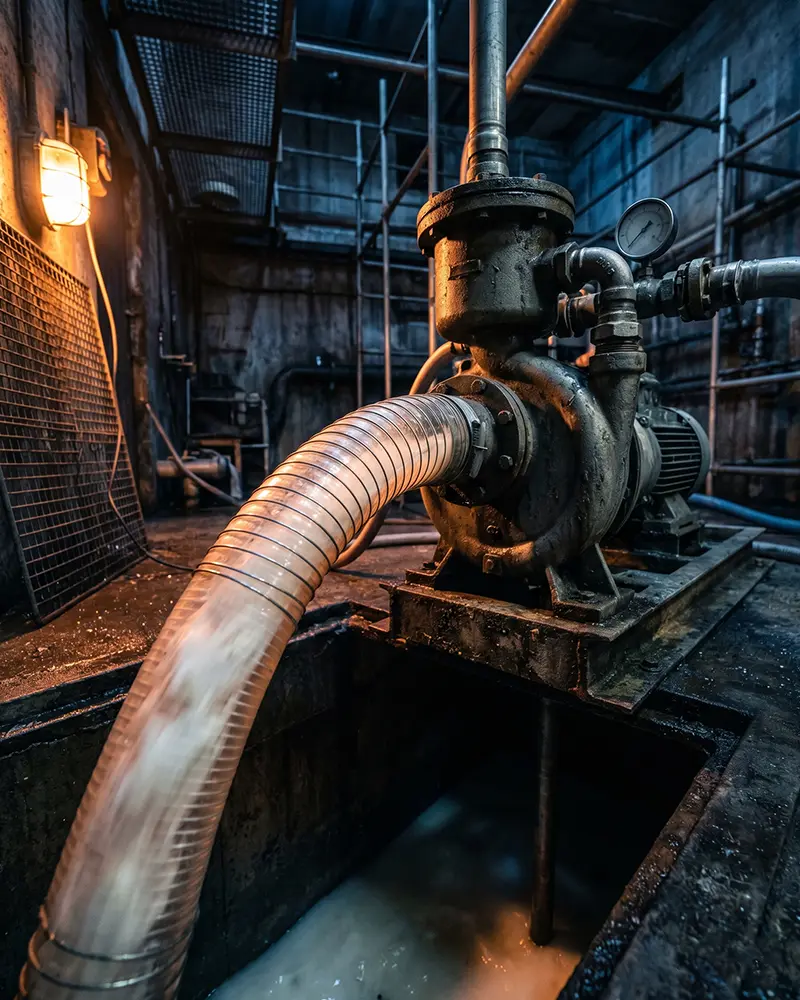
While standard centrifugal pumps lock up when there is air in the suction line, Self-Priming pumps create a vacuum by evacuating the air inside thanks to their special casing design. It is the most ideal and hygienic solution for drawing liquid from underground tanks or evacuating foamy washing water in CIP systems.
Performance and Design Advantages
Technical Specifications and Capacity
* Suction depth and flow values may vary depending on the fluid's viscosity (water = 1 cPs) and ambient temperature.
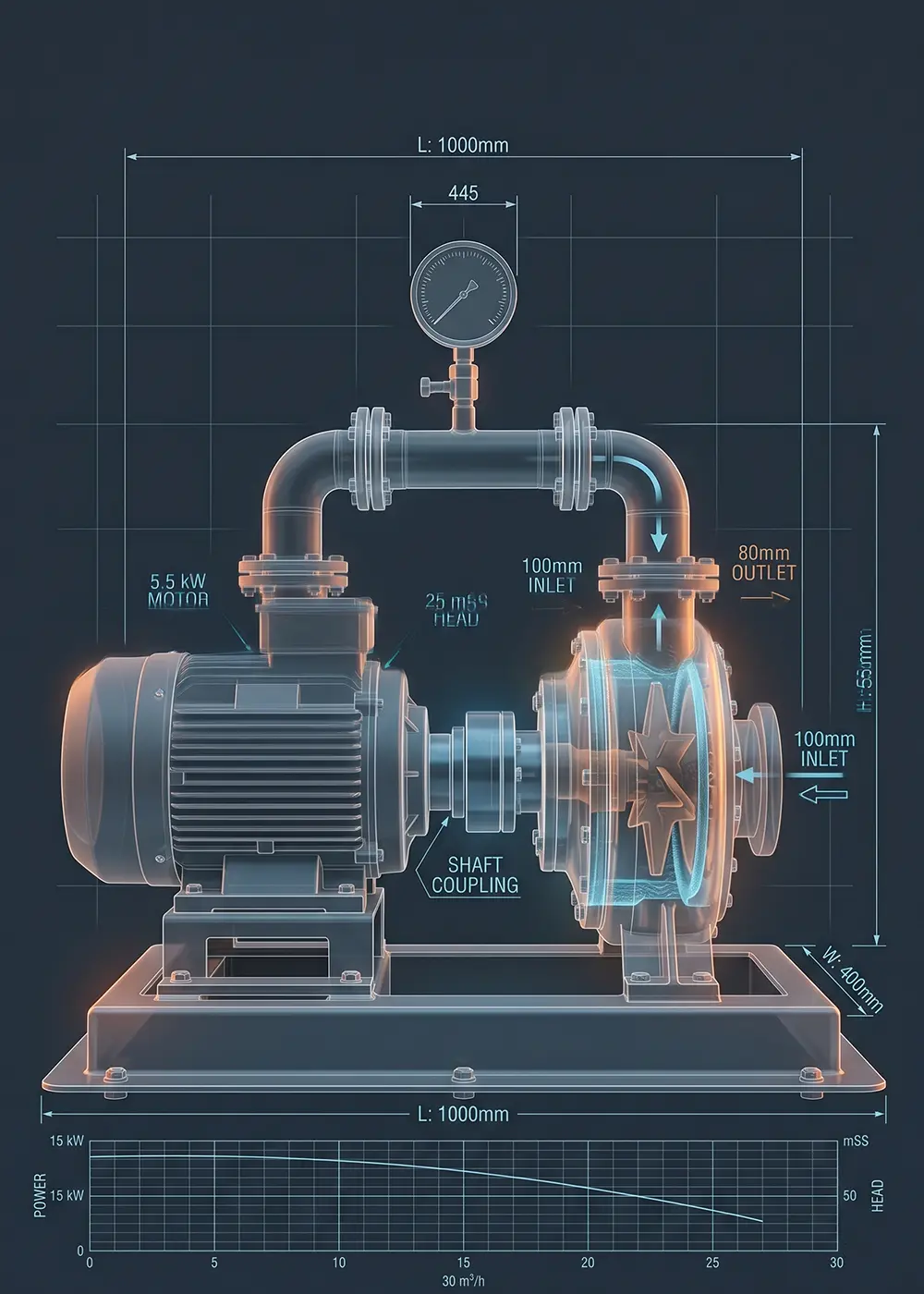
| PUMP MODEL | MAX. FLOW (m³/h) | HEAD (m) | MOTOR POWER (kW) |
|---|---|---|---|
| WSP-10 | 10 m³/h | 20 m | 1.5 kW |
| WSP-20 | 20 m³/h | 25 m | 2.2 kW |
| WSP-30 | 30 m³/h | 30 m | 4.0 kW |
| WSP-40 | 40 m³/h | 35 m | 5.5 kW |
| WSP-50 | 50 m³/h | 40 m | 7.5 kW |
Frequently Asked Questions
What is the working logic of a self-priming pump?
During the initial installation, a certain amount of liquid is filled into the casing. When it runs, it mixes this liquid with the air in the suction line and expels it, then draws the liquid up from the bottom thanks to the vacuum created in the line.
Why is this pump used in the CIP return line?
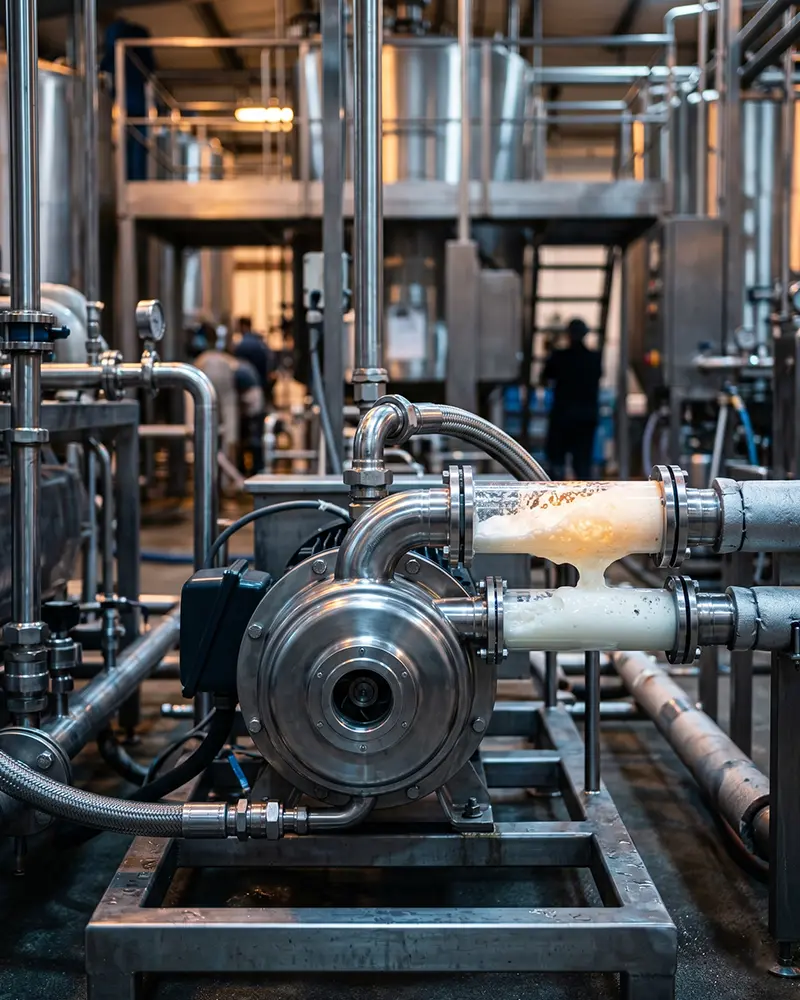
During the tank washing (CIP) process, a lot of air and foam mixes with the liquid. Normal pumps spin uselessly in the foam (cavitation), while self-priming pumps tolerate the air and transfer the washing liquid without issues.
Our Industrial Applications

Technical Specification
PDF DOCUMENT
Download our catalog containing pump curves, suction depth calculations, and motor options.
DOWNLOAD SPECIFICATION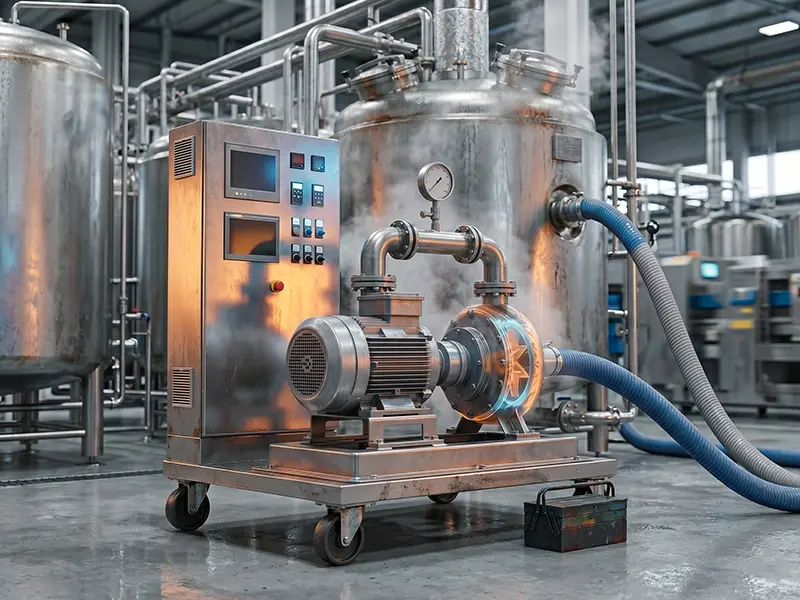
Fully automatic CIP washing return line we installed for a beverage factory with a daily capacity of 500 tons.
GO TO PROJECTWhat is Your Suction Distance?
Send us the depth (negative head) of your underground tank and the pipe length, and let's choose the right pump that eliminates the risk of cavitation.
CONSULT AN ENGINEER