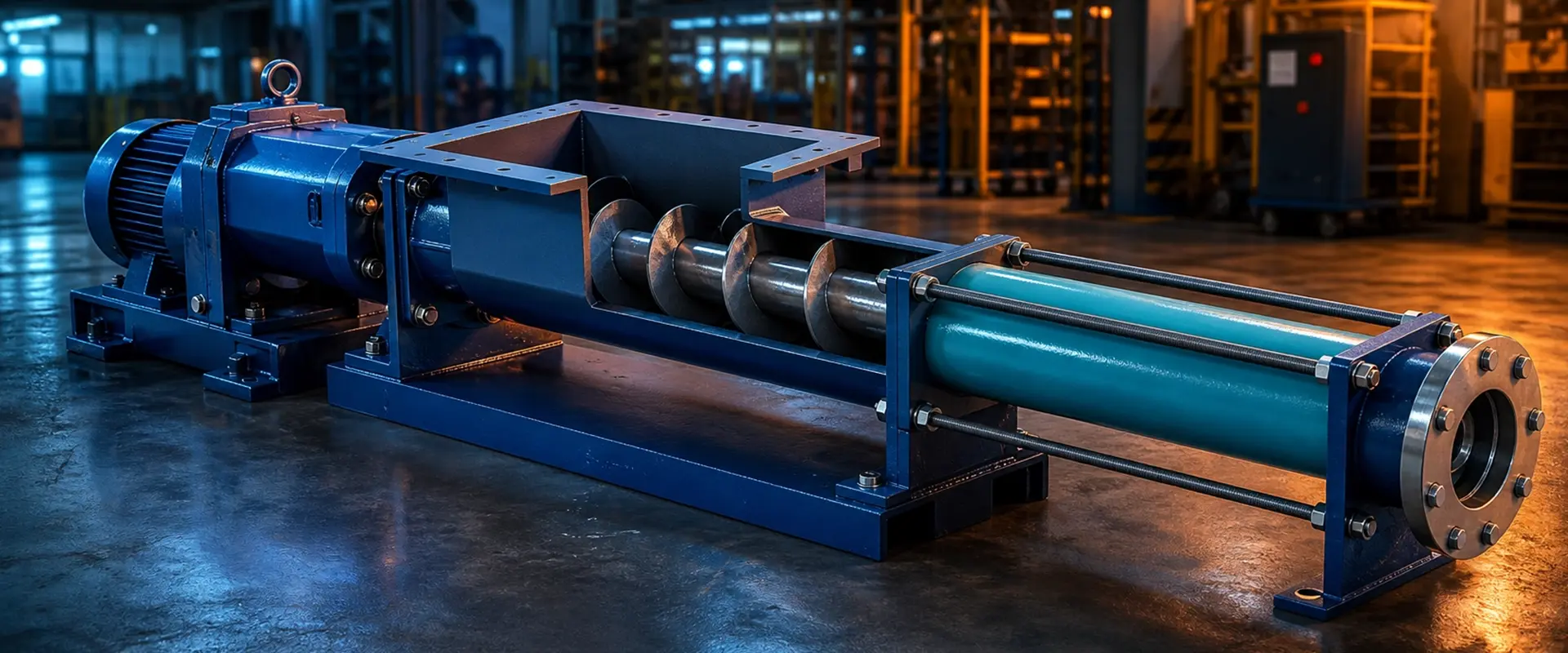
Progressive Cavity Technology
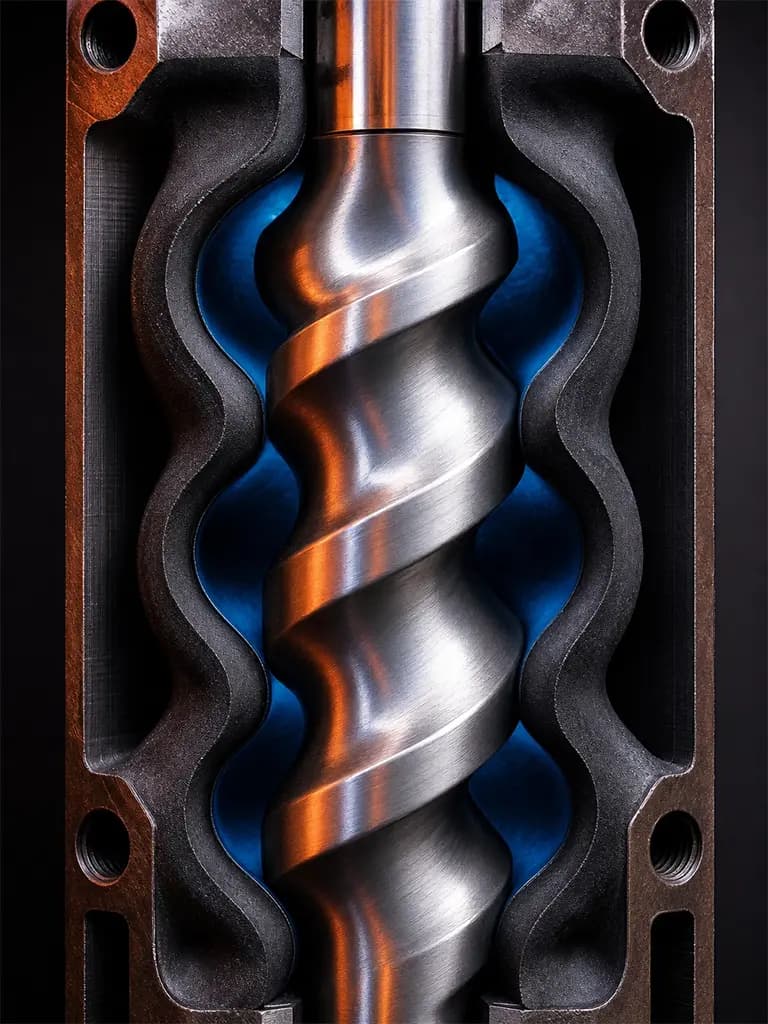
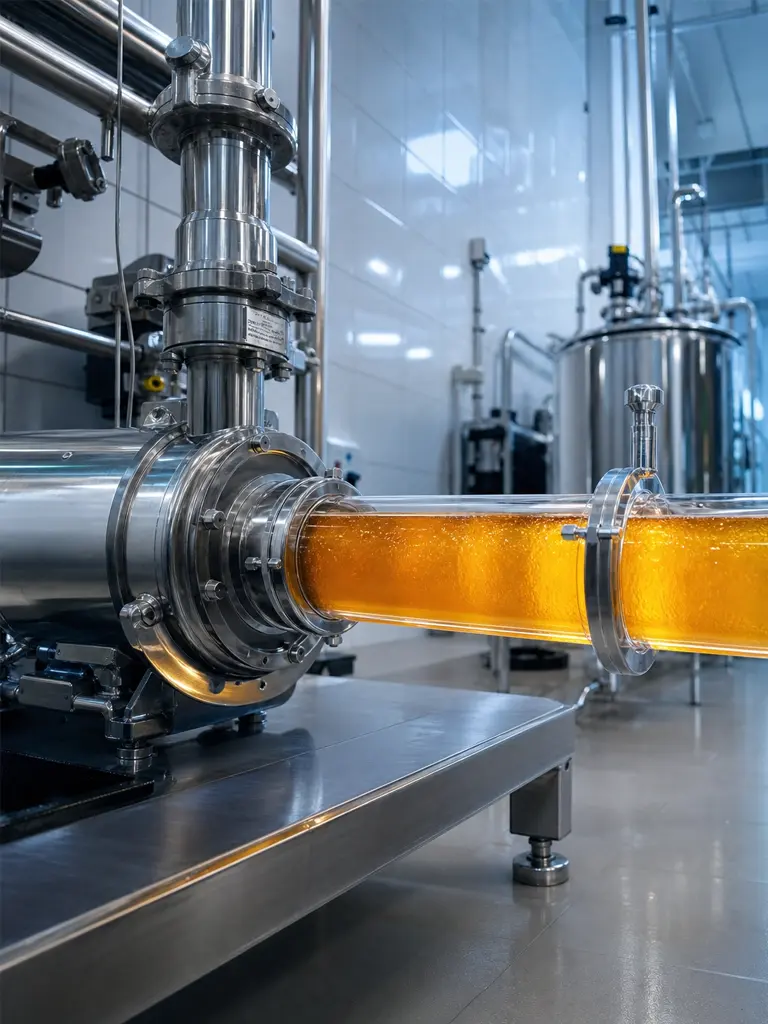
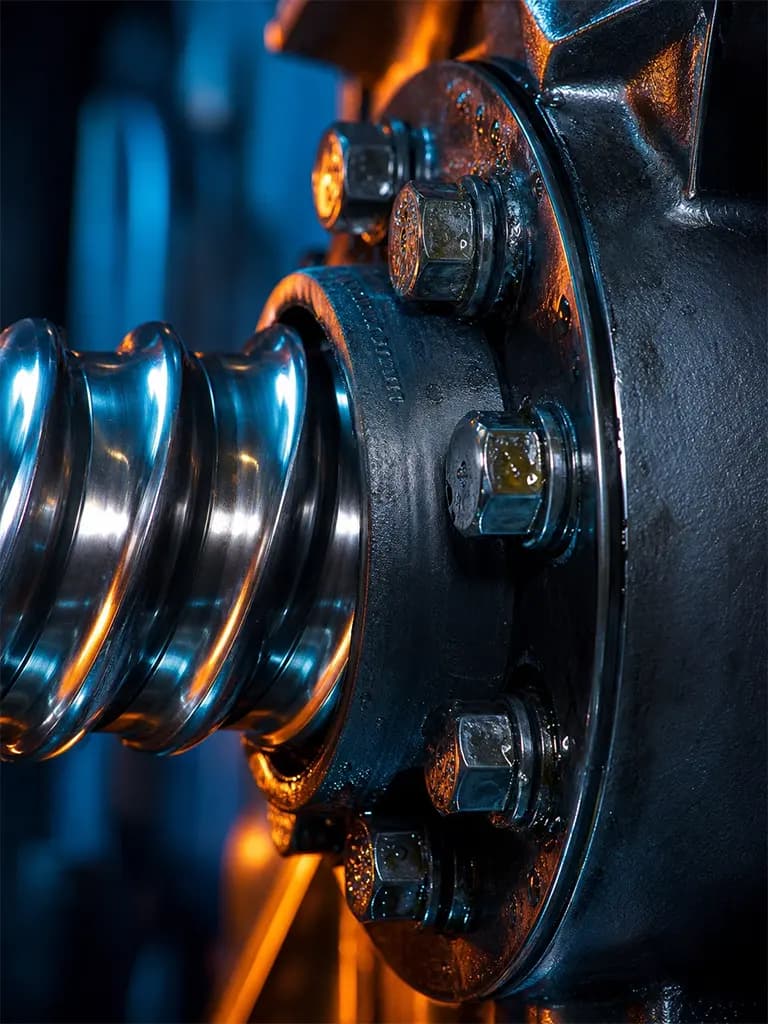
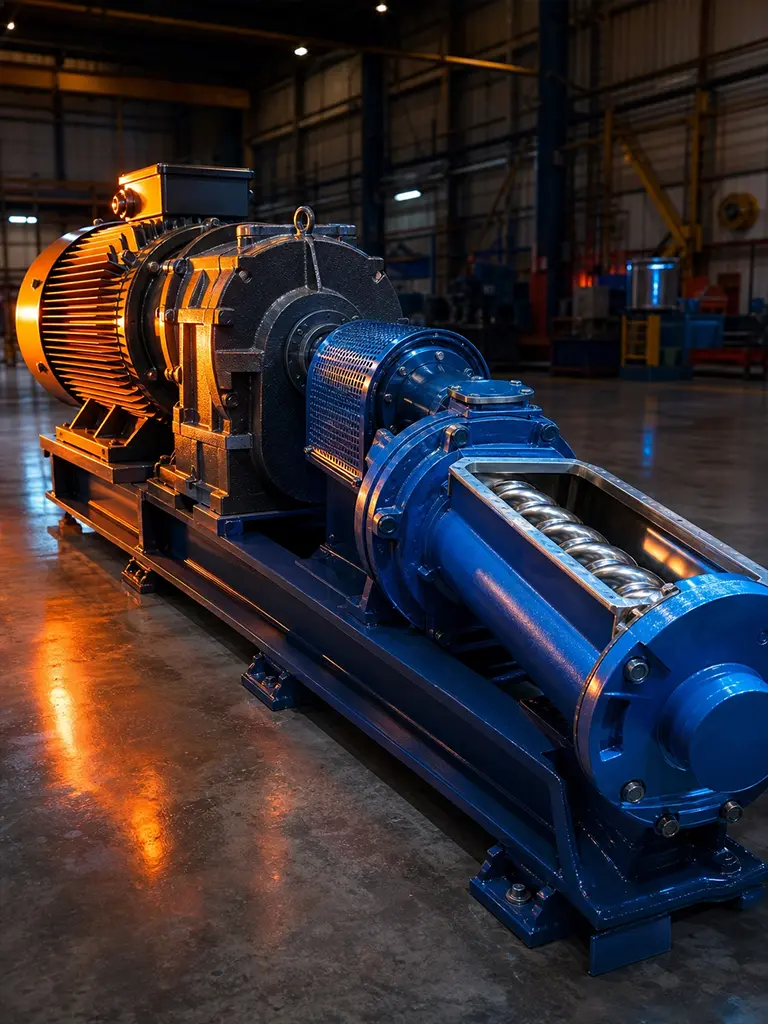
Progressive Cavity Pumps operate on the principle of a stainless steel rotor turning inside a flexible stator to create volumetric chambers (cavities). This helical motion continuously pushes the fluid forward without crushing, foaming, or creating pulsation. It is the indispensable standard of the industry in transferring the most demanding, solid particle-containing, or sticky liquids.
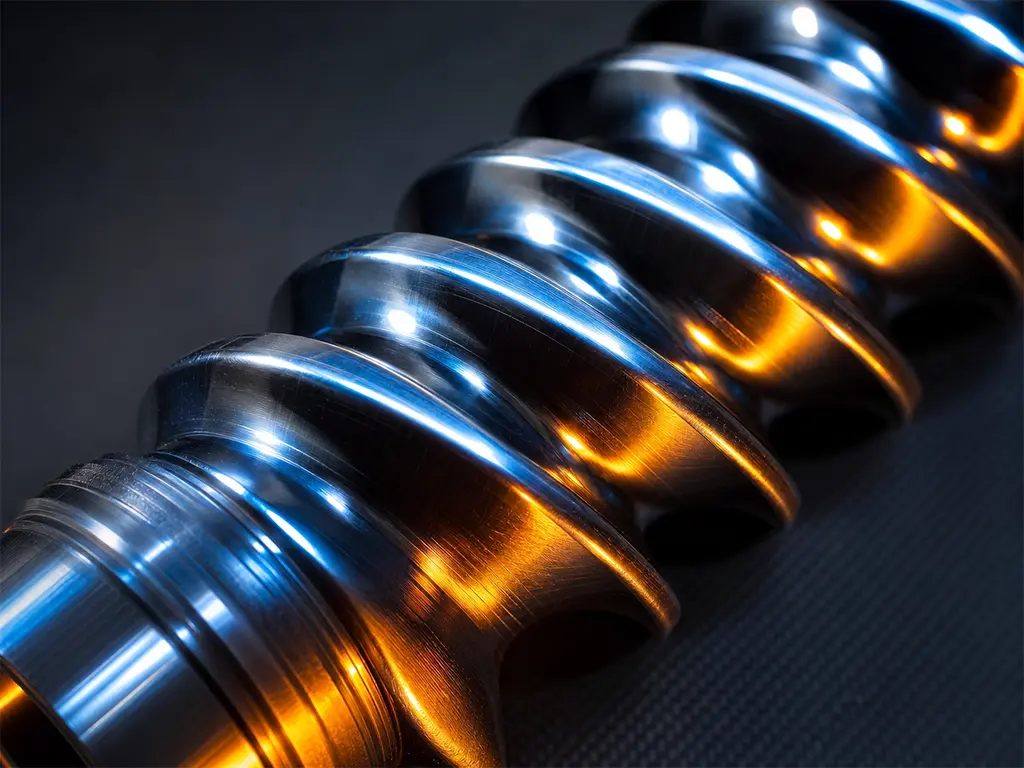
Design and Performance Advantages
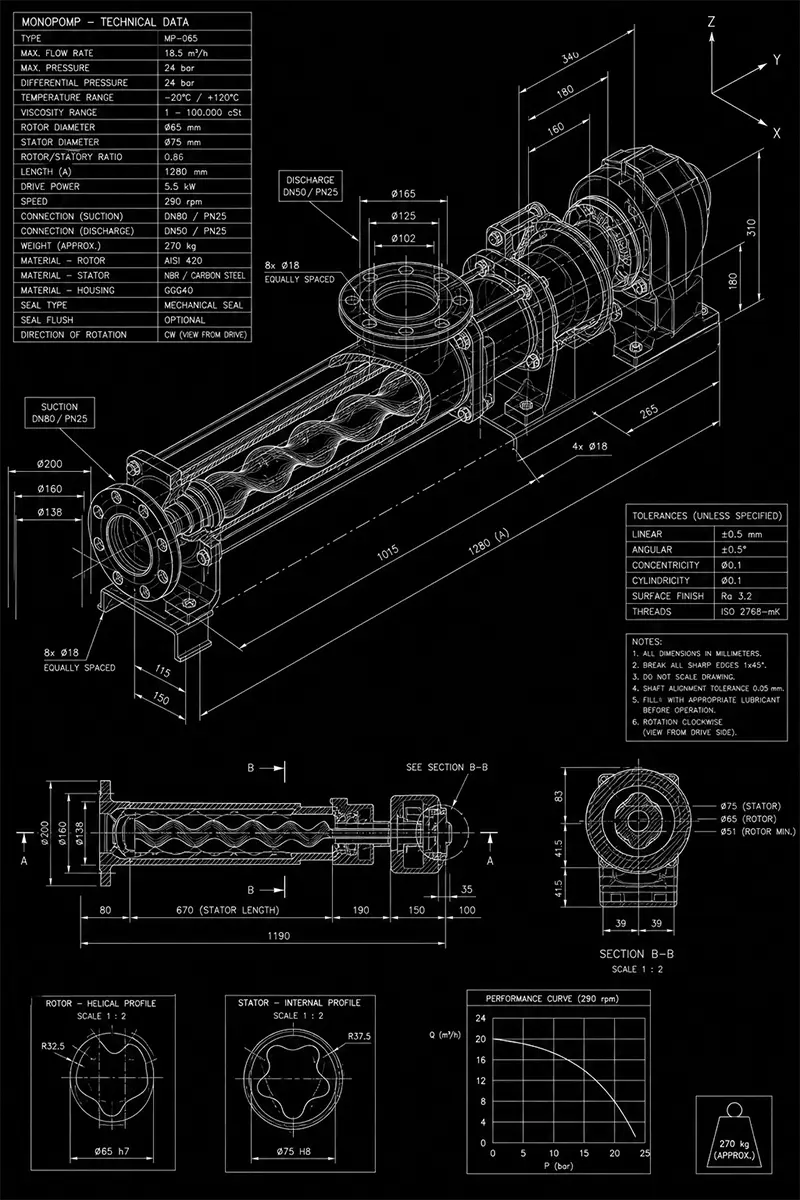
Technical Specifications and Capacity
* Flow rate and pressure values are calculated project-specifically based on the viscosity of the fluid to be transferred and the motor (gearbox) speed.
| PUMP MODEL | MAX. FLOW (m³/h) | MAX. PRESSURE (Bar) | CONNECTION SIZE |
|---|---|---|---|
| WMP-01 | 1 m³/h | 6 Bar | 1" |
| WMP-05 | 5 m³/h | 12 Bar | 1 1/2" |
| WMP-10 | 10 m³/h | 12 Bar | 2" |
| WMP-25 | 25 m³/h | 24 Bar | 3" |
| WMP-50 | 50 m³/h | 24 Bar | 4" |
Frequently Asked Questions
For which fluids is a progressive cavity pump preferred?
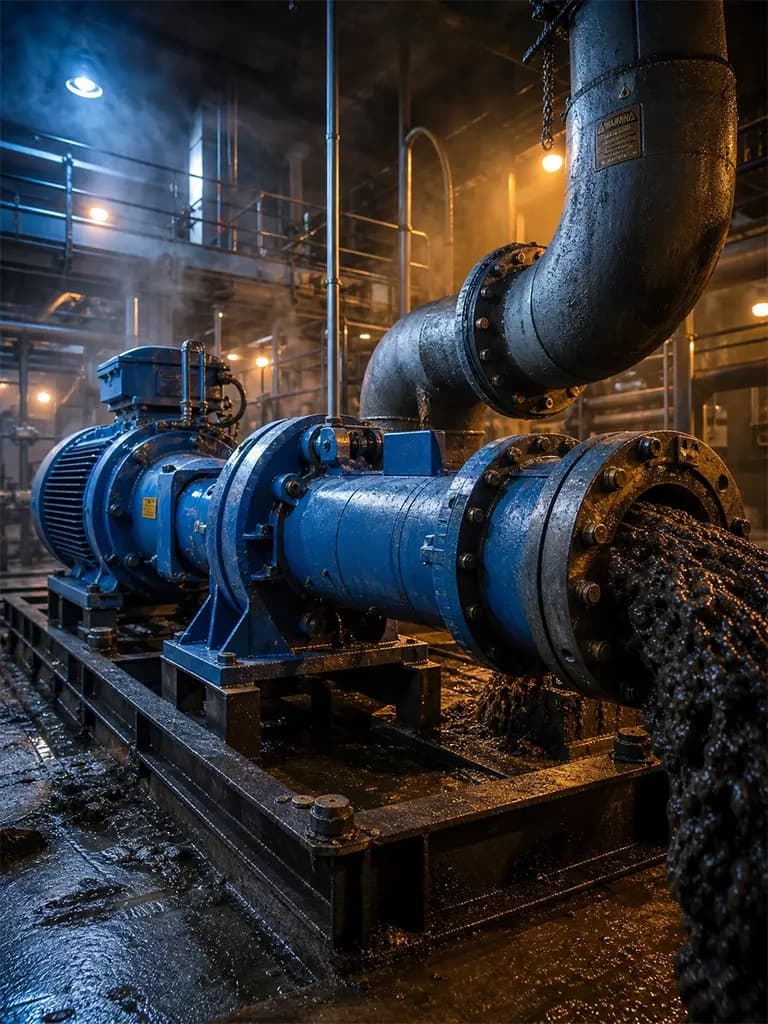
It is used for all highly viscous and sticky liquids like cream, shampoo, treatment sludge, olive pomace, tomato paste, fish oil, and glue where normal pumps struggle or stall.
What is the lifespan of the Stator (Rubber), and what is done when it degrades?
Stator life depends on the abrasiveness of the fluid and the operating temperature. Dry running can quickly burn the stator. When it degrades, the stator replacement (maintenance) can be easily done by just opening the front casing without completely removing the pump from the line.
Our Industrial Applications
Technical Specification
PDF DOCUMENT
Download the catalog containing stator material compatibilities, pressure/cavity calculations, and motor gearbox curves.
DOWNLOAD SPECIFICATION
Sludge feed pumps with 24 Bar pressure we installed for an industrial wastewater treatment facility.
GO TO PROJECTHow Dense is Your Fluid?
Send us the density (viscosity) of the liquid you want to transfer and your hourly target, and let's choose the right rotor-stator pair.
CONSULT AN ENGINEER