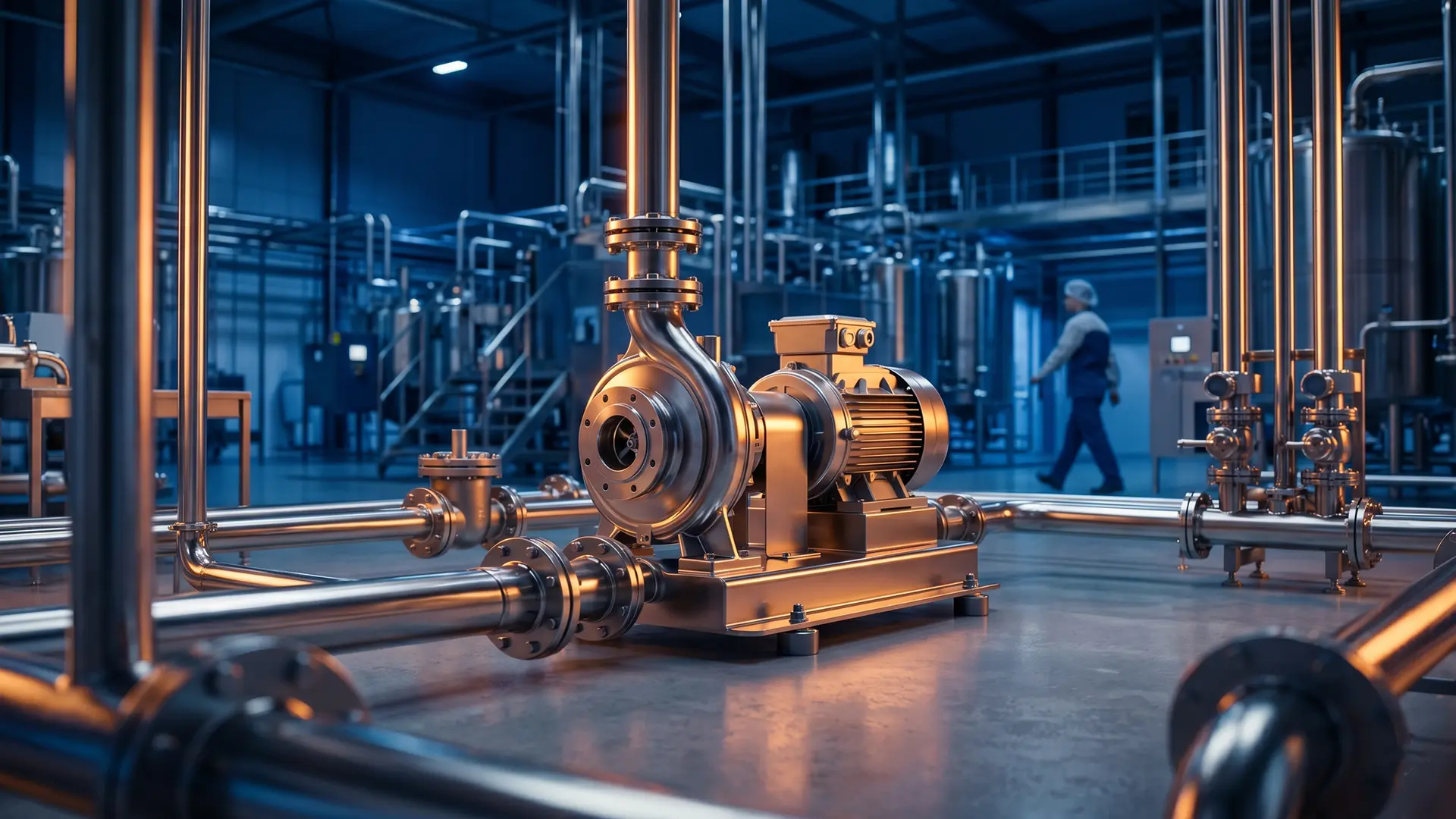
Centrifugal Technology
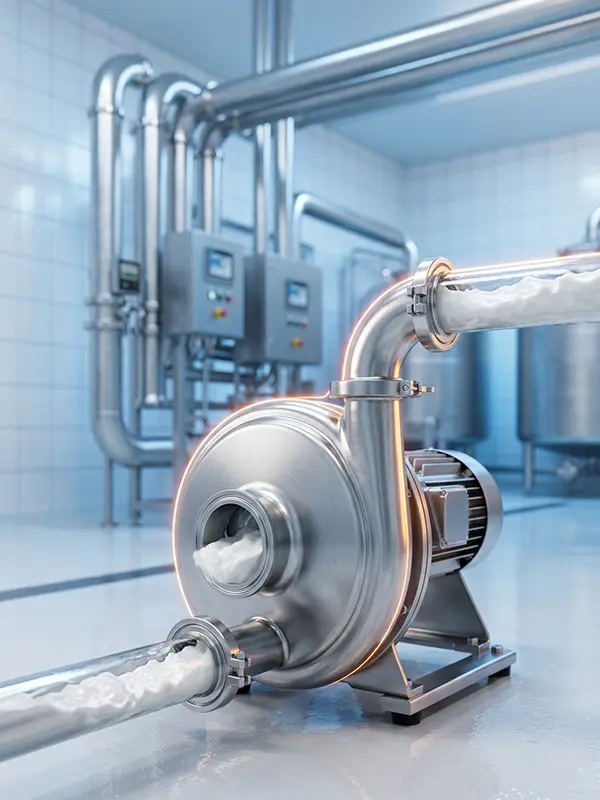
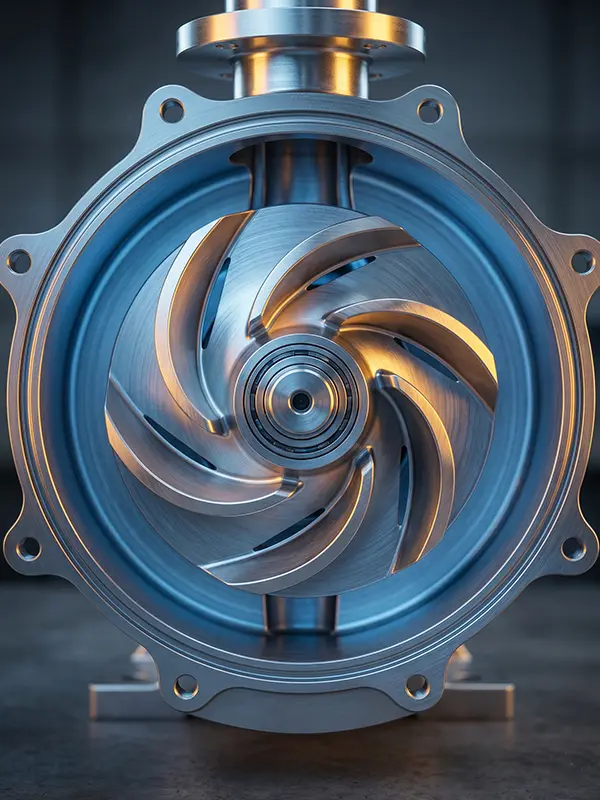
Centrifugal pumps operate on the principle of generating centrifugal force by rotating the impeller inside the casing at high speeds. The fluid is drawn from the center of the impeller and accelerated through the vanes to the discharge line. It is the most efficient and economical solution for transferring fluids such as milk, water, juice, and CIP washing liquids.
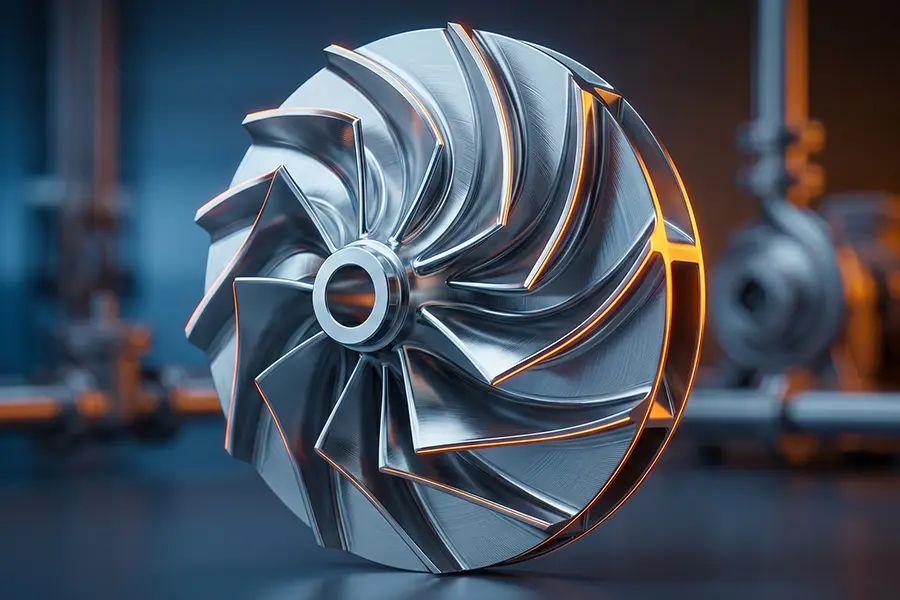
Design and Performance Advantages
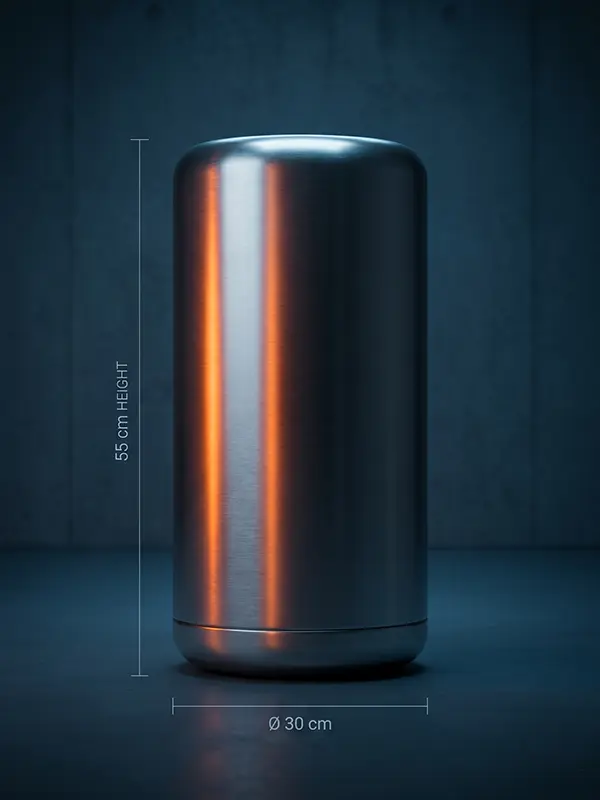
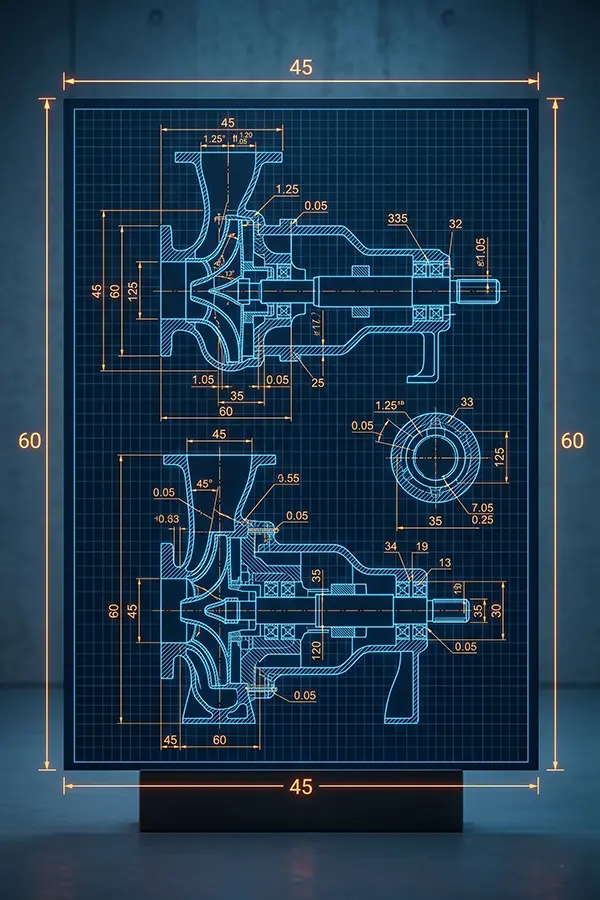
Technical Specifications and Capacity
* Flow rate and head values are custom configured according to your process needs based on motor power and impeller diameter.
| PUMP MODEL | MAX. FLOW (m³/h) | HEAD (m) | MOTOR POWER (kW) |
|---|---|---|---|
| WCP-10 | 10 m³/h | 15 m | 1.1 kW |
| WCP-20 | 20 m³/h | 25 m | 2.2 kW |
| WCP-30 | 30 m³/h | 30 m | 4.0 kW |
| WCP-50 | 50 m³/h | 35 m | 5.5 kW |
| WCP-80 | 80 m³/h | 45 m | 11.0 kW |
Frequently Asked Questions
Can centrifugal pumps be used for highly viscous liquids?
No. Centrifugal pumps are designed for low-viscosity fluids like water, milk, and fruit juice. Highly viscous liquids like honey or cream will cause the impeller to cavitate.
What is the difference between open and closed impellers?
Closed impellers provide maximum efficiency in transferring pure liquids (water, milk), while open or semi-open impellers are used to transfer liquids containing light sediments or fruit particles without clogging.
Our Industrial Applications
Technical Specification
PDF DOCUMENT
Download our catalog including pump performance curves, motor powers, and mechanical seal types.
DOWNLOAD SPECIFICATION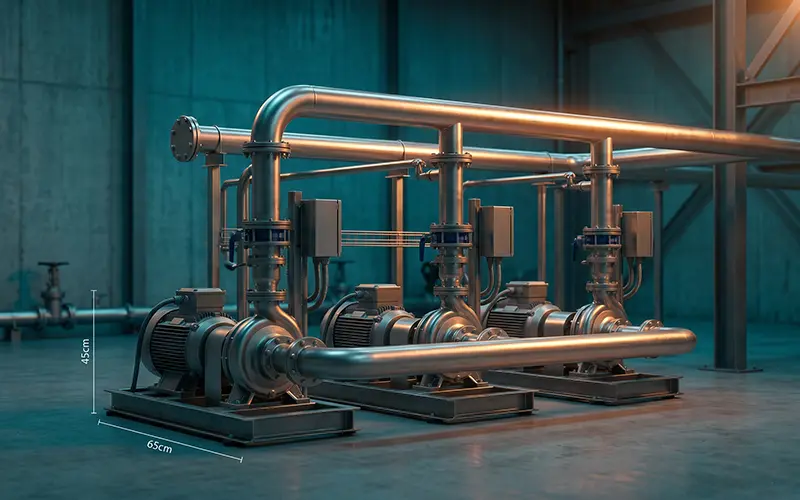
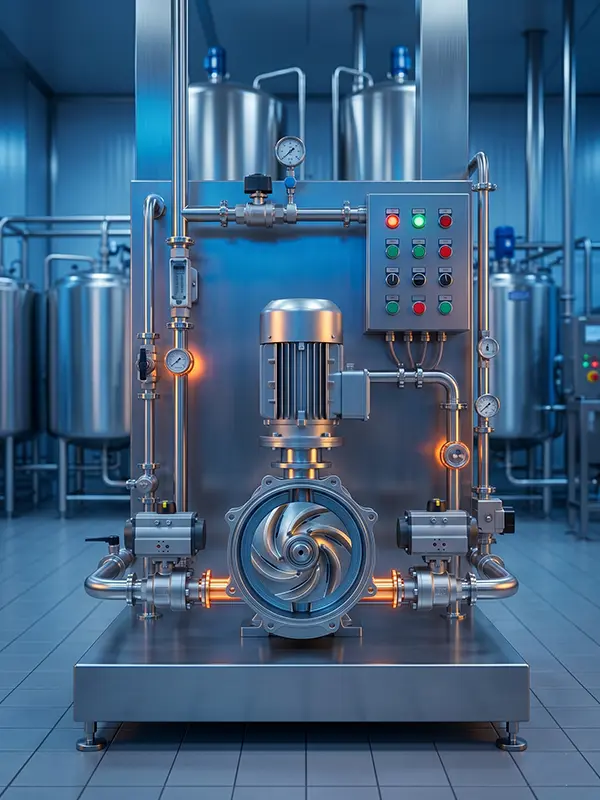
Hygienic centrifugal pump line we installed for a large capacity fruit juice production facility.
GO TO PROJECTAccurate Flow and Pressure
Let us know the number of elbows and pipe length in your line, and we will determine the right impeller diameter that won't cause cavitation.
CONSULT AN ENGINEER