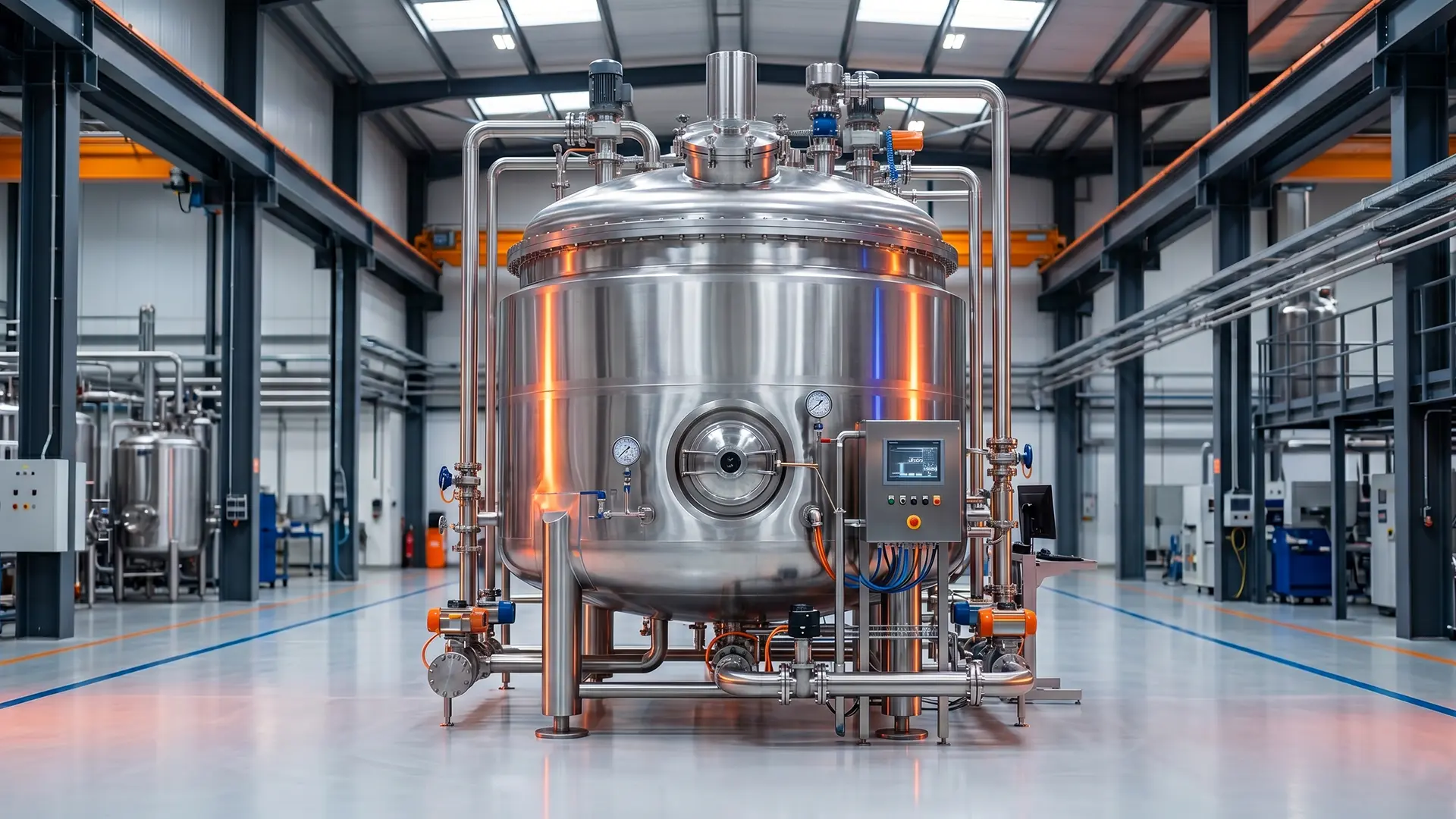
Jacketed (Heating/Cooling) Tanks
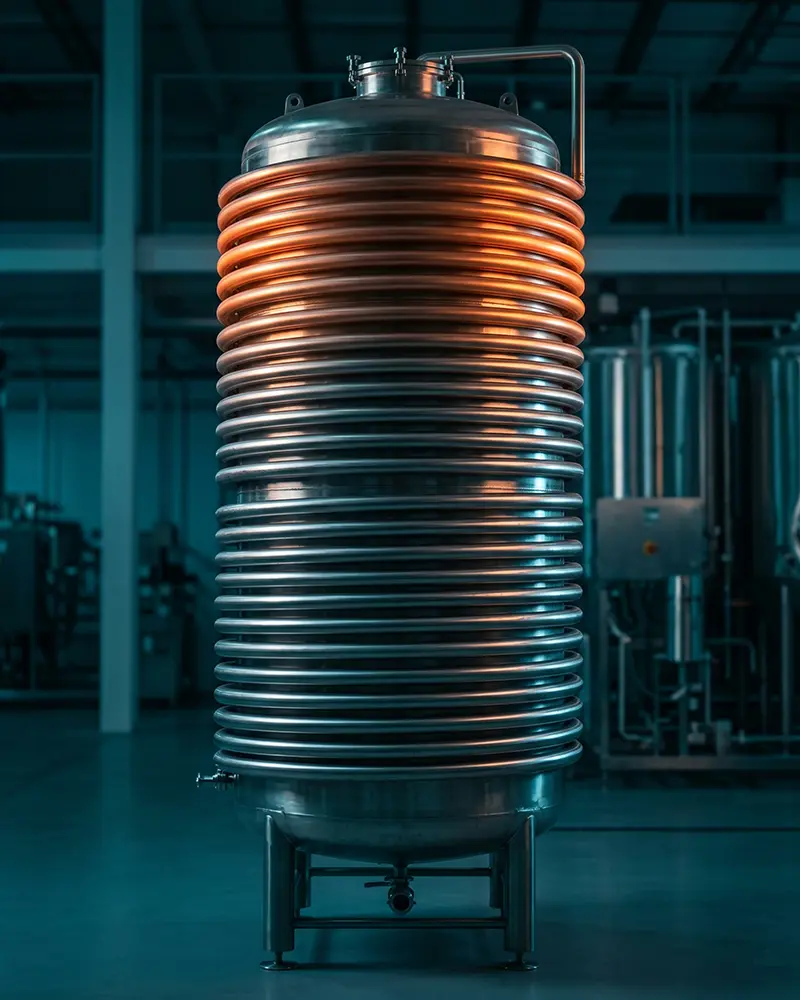
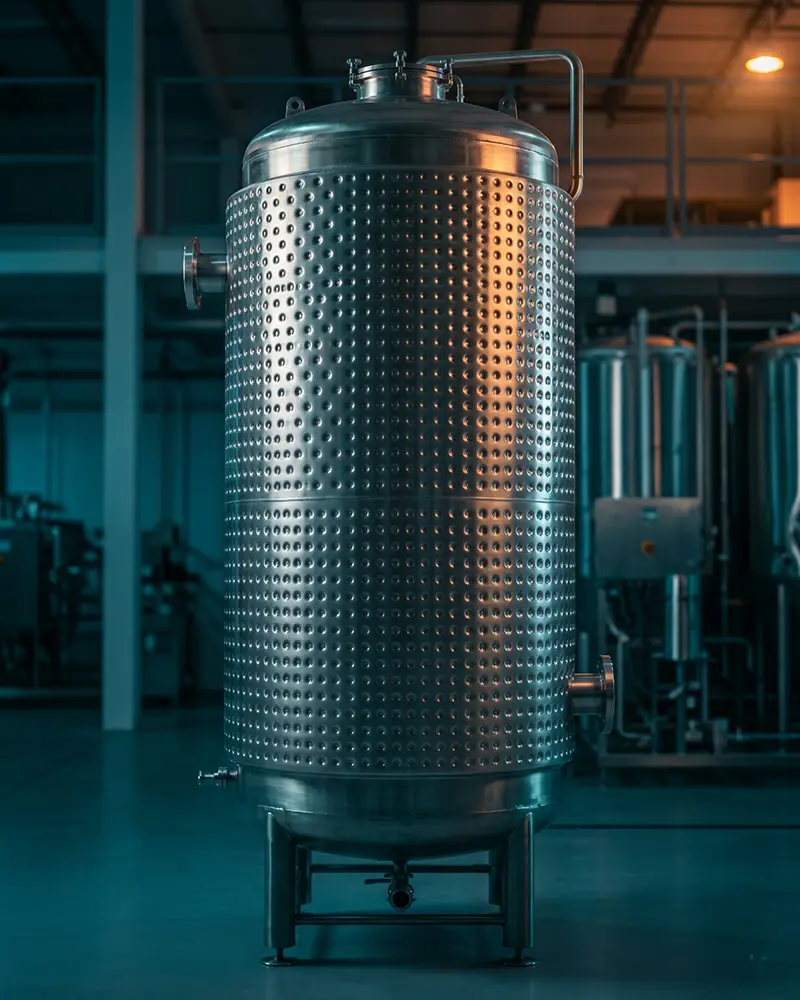
Reactors and tanks with half-pipe coil, roll-bond, and double-wall technologies featuring high heat transfer efficiency that provide the precise temperature control your process needs.
Heat Transfer and Jacket Technologies
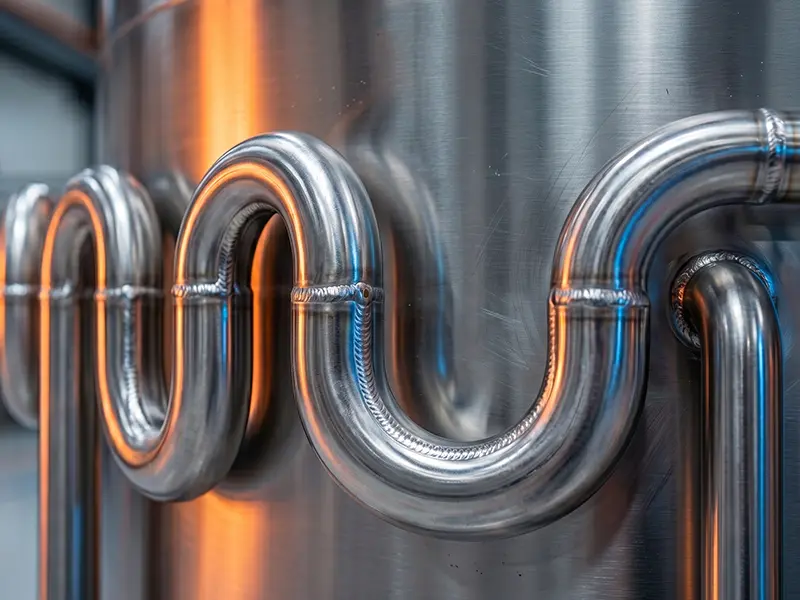
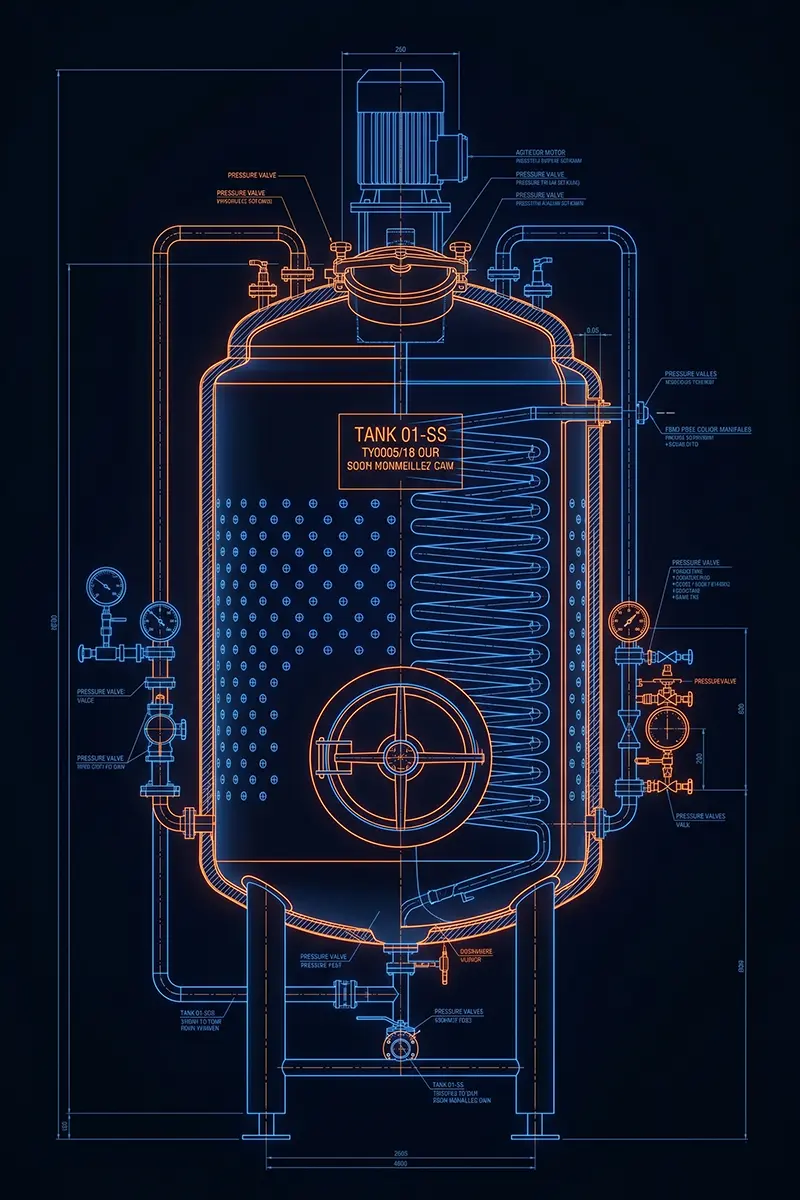
Jacketed tanks are systems that have a secondary cavity (jacket) integrated into their body to heat or cool the fluid inside. Welltech® Engineering calculates the optimal surface area according to your process's heating/cooling rate and the fluid to be used (steam, thermal oil, glycol, chilled water). While Half-pipe coil is ideal for high-pressure steam, Roll-bond (Dimple) jackets provide excellent efficiency in homogeneous cooling and heating applications.
Design and Insulation Advantages
Jacket Types and Technical Applications
* Operating pressure and jacket sheet thicknesses are statically calculated according to (ASME Section VIII or EN 13445) standards.
| JACKET TYPE | PURPOSE OF USE | HEAT TRANSFER FLUID | MAXIMUM PRESSURE |
|---|---|---|---|
| Half-Pipe Coil | High-Pressure Heating | Steam / Thermal Oil | 25 Bar |
| Double Wall | Atmospheric Heating/Cooling | Hot Water / Cold Water | 3 Bar |
| Roll-Bond (Dimple Jacket) | Homogeneous Fast Cooling/Heating | Chilled Water / Glycol / Steam | 15 Bar |
| Electrical (Resistance) | Autonomous (Boiler-less) Heating | Thermal Oil / Water | Atmospheric |
Frequently Asked Questions
What is the difference between a Half-Pipe Coil jacket and a Double Wall?
A half-pipe jacket consists of pipes wrapped and welded around the shell. Its high-pressure (e.g., 10 bar steam) resistance is excellent. A double wall is a second sheet that completely surrounds the tank, more suitable for low-pressure (atmospheric) water circulation.
How is the insulation material chosen?
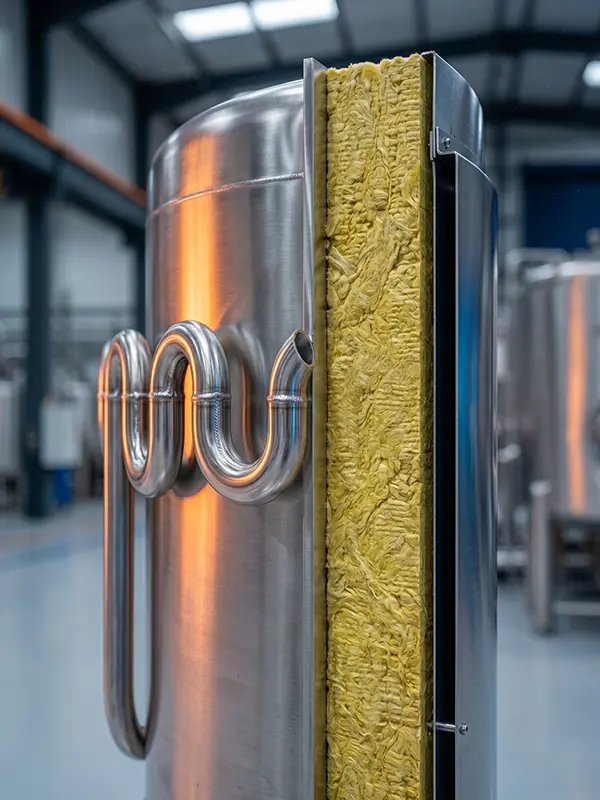
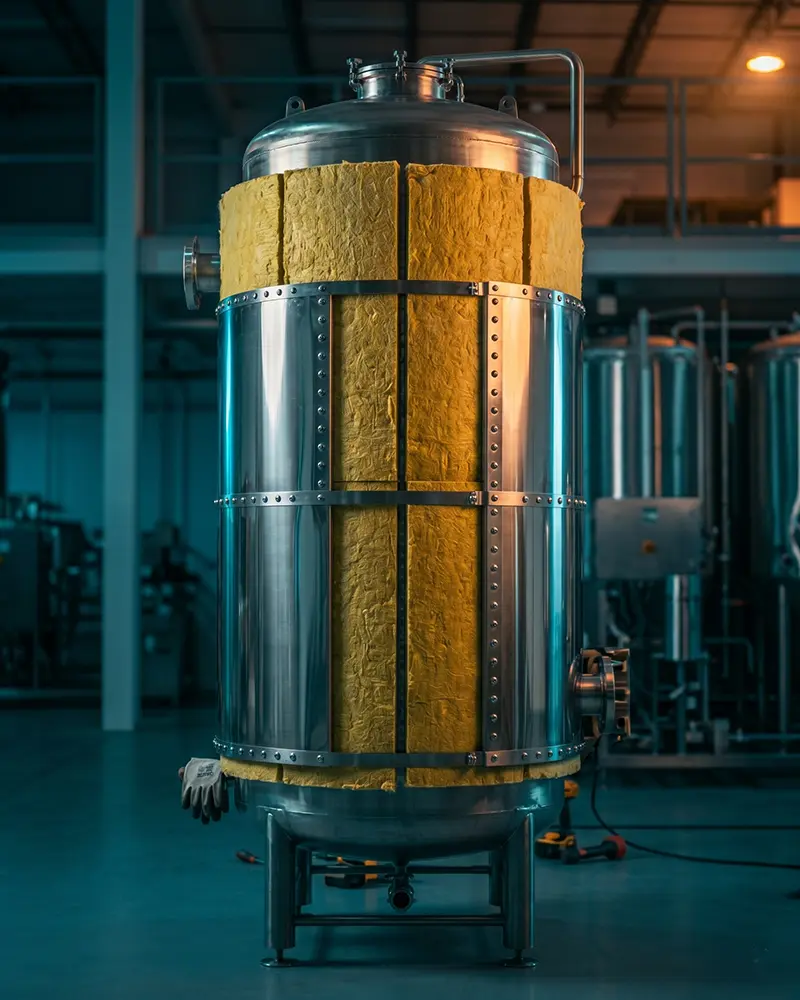
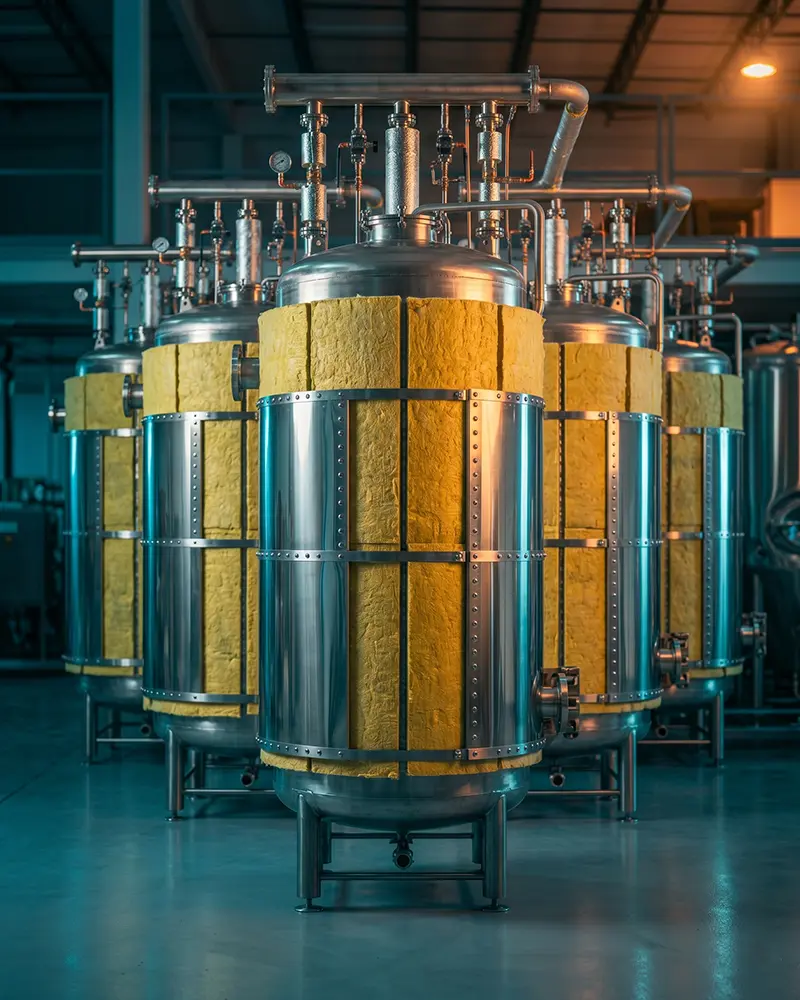
While Polyurethane foam is used to prevent condensation in cooling (chiller) processes, non-combustible Rock Wool or Ceramic Wool insulation is preferred in high-temperature (steam, thermal oil) heating processes.
Our Industrial Applications
Technical Specification
PDF DOCUMENT
Download our catalog containing heat transfer surface calculations, jacket pressure tests, and insulation details.
DOWNLOAD SPECIFICATION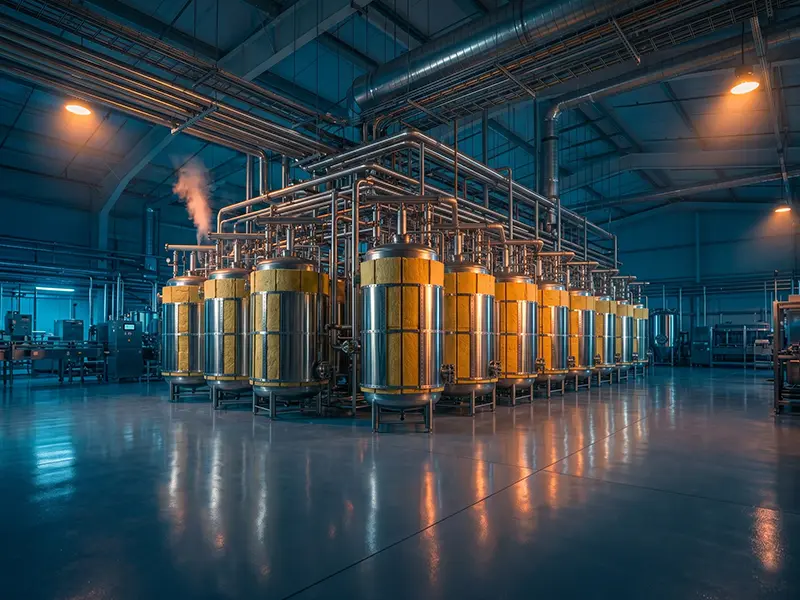
A 20,000 L capacity polymerization tank line with glycol cooling and polyurethane insulation.
GO TO PROJECTWhich Jacket Type?
Let us know your targeted reaction time and heating/cooling fluid, and let's choose the safest jacket system together.
CONSULT AN ENGINEER